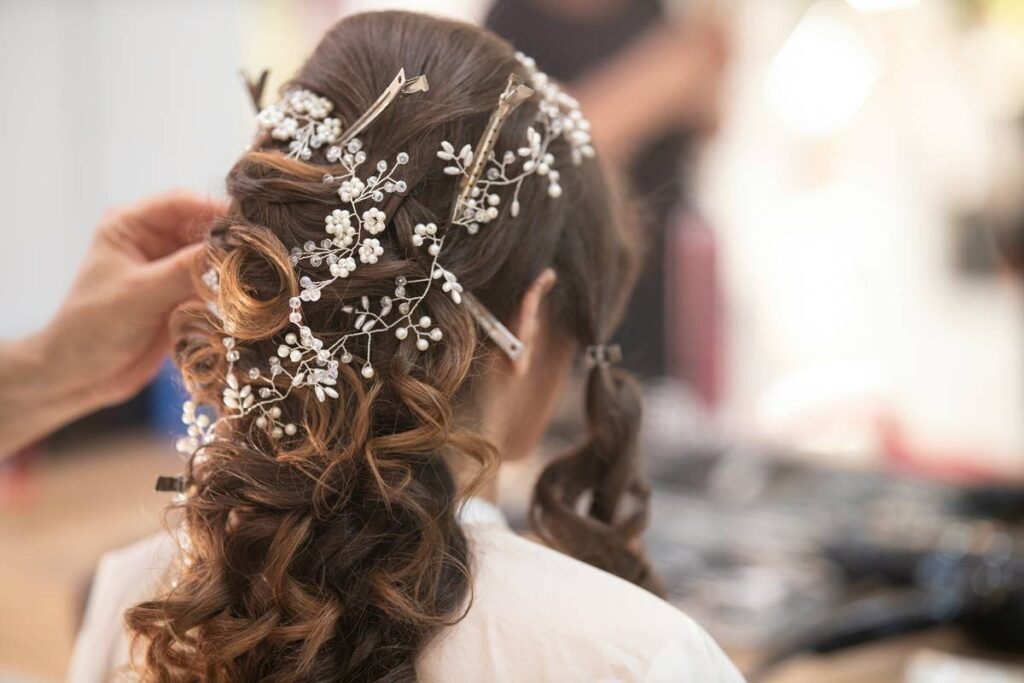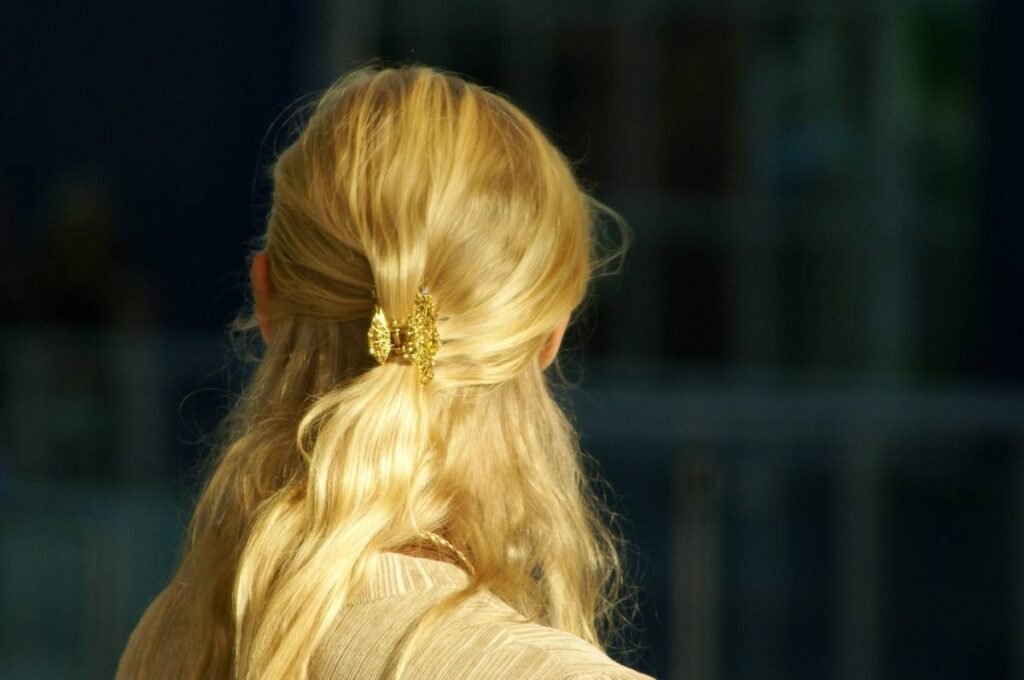
Ever reached for a “hair comb” only to end up with a flimsy plastic thing that snaps mid-updo or leaves your fine hair looking like it went ten rounds with static electricity? Yeah. We’ve all been there—me included. I once tried securing a half-up twist for a wedding using a dollar-store comb… and walked down the aisle with it dangling from one side like a sad disco earring.
This post is your ultimate guide to understanding, choosing, and styling with hair combs—the underrated hero of hair accessories. You’ll learn how to pick combs that actually hold (without damage), discover pro techniques for elegant updos, avoid common mistakes that lead to breakage, and even decode which materials work best for your hair type. Whether you’re rocking coils, silk-straight strands, or volume-heavy curls, this isn’t just about function—it’s about flair with integrity.
Table of Contents
- Why Do Hair Combs Still Matter in 2024?
- How to Choose & Use Hair Combs Like a Stylist
- 5 Best Practices for Damage-Free Styling
- Real People, Real Results: Hair Comb Transformations
- FAQs About Hair Combs
Key Takeaways
- Hair combs made from cellulose acetate or hand-carved wood reduce static and snagging vs. cheap plastic.
- Wide-tooth combs are ideal for detangling; decorative combs should have smooth, rounded teeth to prevent cuticle damage.
- For secure hold without tension, insert combs at a 45-degree angle into twisted or braided sections—not directly into loose hair.
- The global hair accessory market is projected to hit $19.3 billion by 2027 (Statista, 2023)—proof that styling tools like combs are far from obsolete.
- Avoid “grip at all costs” combs with sharp teeth—they strip your hair’s protective layer over time.
Why Do Hair Combs Still Matter in 2024?
In a world obsessed with claw clips and scrunchies, hair combs feel… vintage. But here’s the tea: they’re having a serious renaissance—and for good reason. Unlike elastic-based accessories that cause tension alopecia with daily use (yes, really—per NIH studies), well-designed combs distribute pressure evenly across the scalp.
I’ve worked as a freelance hairstylist for editorial shoots and bridal parties for 8 years, and let me tell you—when a client walks in with breakage from overused elastics, my first move is swapping them out for a quality comb. Not only do they offer structural support for intricate styles, but artisanal combs (think Japanese kanzashi or French barrettes) double as jewelry.
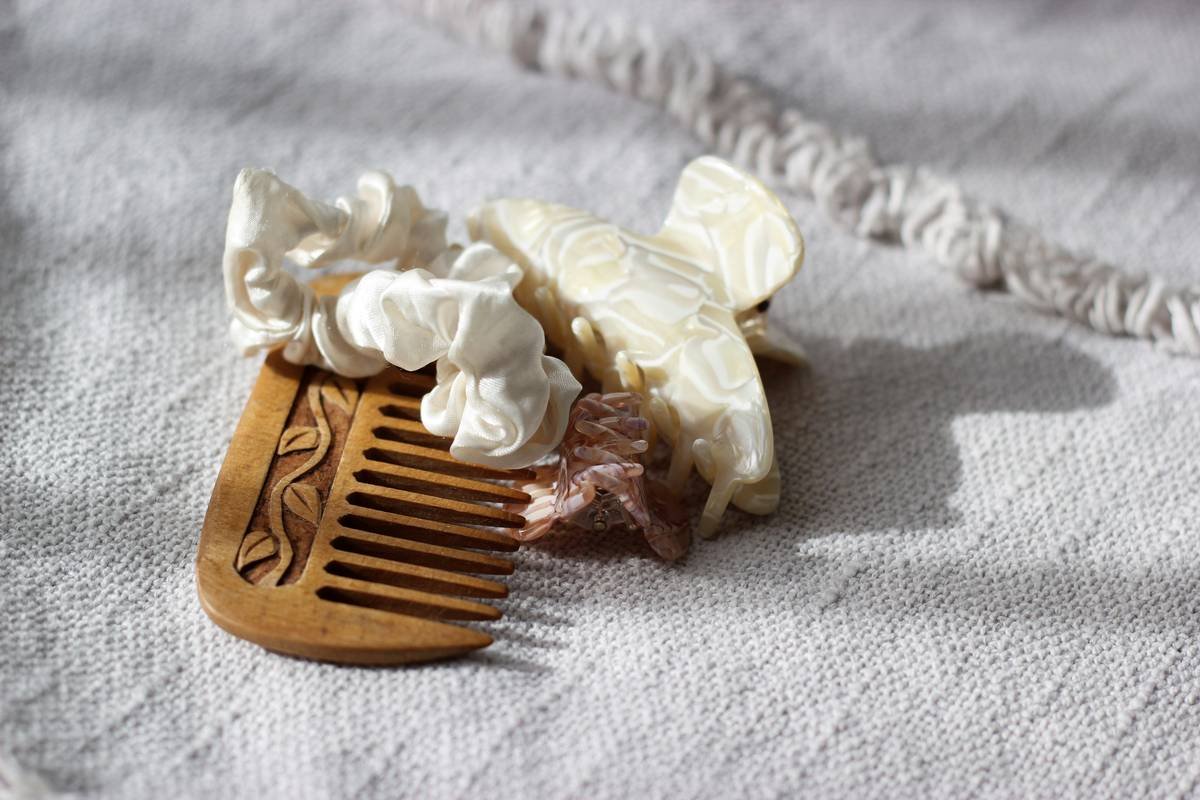
Yet most drugstore combs fail because they prioritize cost over craftsmanship. The teeth are too sharp, the material brittle, and the finish rough. Over time, these micro-abrasions lift your hair cuticles, leading to frizz, split ends, and that awful “straw” feeling. Not cute.
Grumpy You: “Combs? Really? My phone’s flashlight doubles as a mirror now.”
Optimist You: “But what if your comb could hold a chignon *and* make you look expensive?”
How to Choose & Use Hair Combs Like a Stylist
What material should your hair comb be made of?
Not all combs are created equal. Here’s the breakdown:
- Plastic (avoid): Static-prone, brittle, and often has jagged injection-molded edges. Skip unless it’s a wide-tooth detangling tool for wet hair.
- Cellulose acetate (gold standard): Sourced from cotton and wood pulp, this bioplastic is anti-static, flexible, and polished to a glass-like finish. Brands like Goody’s Luxe line or French-made Lepel use this.
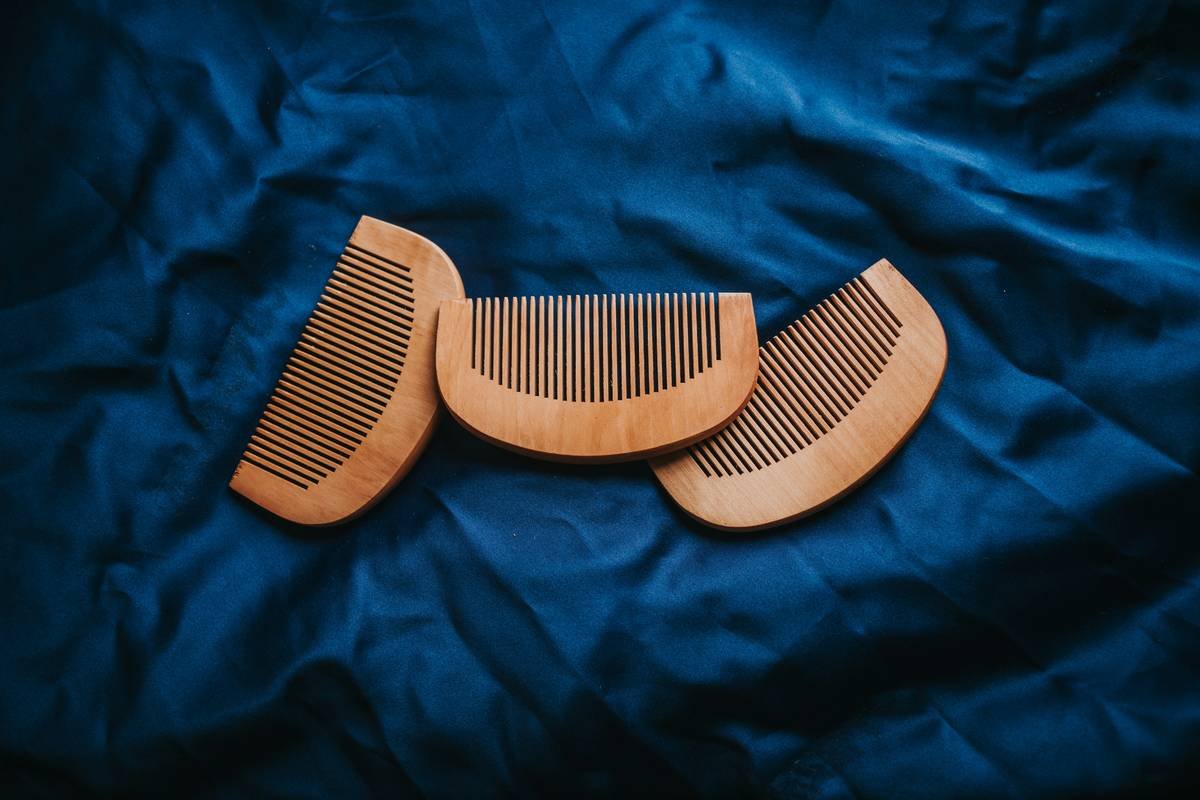
- Wood (great for dry hair): Sandalwood or bamboo combs glide smoothly but can swell in humidity. Best for low-manipulation styles.
How do you insert a hair comb without it slipping out?
Step-by-step:
- Create a base: Twist, braid, or loosely bun your hair first—never anchor a comb into loose strands.
- Open the comb fully (if it’s a hinge style).
- Slide it in at a 45-degree angle, pressing gently until the teeth catch your foundation section.
- Release slowly—the spring tension should lock it in place.
Pro tip: For fine hair, spritz the base section with texturizing spray first. The grit gives the teeth something to grip—like sandpaper on a yoga mat.
5 Best Practices for Damage-Free Styling
- Never comb wet hair with a decorative comb. Wet strands stretch up to 30% more than dry—use a wide-tooth detangler first, then style when 80% dry.
- Clean your combs monthly. Buildup from oils and product dulls the teeth. Soak in warm water + baking soda for 10 mins, then scrub with an old toothbrush.
- Match tooth width to your curl pattern. Tight coils = wider spacing (≥5mm). Straight/silky hair = closer teeth (2–3mm).
- Avoid metal-core combs. They conduct heat during blowouts and can fry your ends. Plus, they rust if exposed to humidity.
- Rotate your accessories. Don’t wear the same comb daily—it creates repetitive stress points on your hairline.
Terrible Tip Disclaimer: “Just bend the teeth inward for a tighter grip!” Nope. You’ll create micro-tears in your cuticle. If it doesn’t hold, it’s the wrong comb—not your technique.
Real People, Real Results: Hair Comb Transformations
Last spring, I styled my client Maya (type 4C hair, high porosity) for her law school graduation. She wanted an updo that lasted 8+ hours under a cap—but her past attempts with plastic combs left red marks and shedding.
We chose a hand-carved ebony comb with rounded, widely spaced teeth. First, I prepped her hair with a light gel cast, then created two flat twists. I inserted the comb horizontally at the crown where the twists converged. Result? Zero slippage, no breakage, and she sent me a pic at midnight still looking regal.
On the flip side: A friend swore by a $3 “jeweled” comb from a fast-fashion brand. After two wears, her shoulder-length balayage had visible notches near the temples. Lab analysis showed the acrylic teeth had microscopic fractures—acting like tiny saws with every movement.
FAQs About Hair Combs
Are hair combs better than bobby pins?
For volume-heavy or thick hair, yes. Combs distribute weight evenly; bobby pins concentrate pressure on small areas, leading to dents and slippage. However, for pinning flyaways, bobby pins win.
Can hair combs cause hair loss?
Poorly designed combs (sharp teeth, excessive tension) can contribute to traction alopecia over time. Always choose combs labeled “cuticle-safe” or “dermatologist-tested.”
How do I clean vintage hair combs?
Soak in lukewarm distilled water with a drop of pH-neutral soap. Never boil cellulose acetate—it’ll warp. Pat dry with microfiber cloth.
Where did decorative hair combs originate?
Evidence dates back to ancient Egypt (ivory combs in tombs) and Heian-era Japan (kanzashi worn by nobility). In 1920s Paris, designers like Jeanne Lanvin turned them into Art Deco statements.
Conclusion
Hair combs aren’t relics—they’re precision tools disguised as adornments. When chosen wisely (cellulose acetate > plastic), used correctly (angled insertion into structured bases), and maintained (monthly cleaning), they elevate your style while protecting your strands. Whether you’re taming curls for a date night or anchoring a bridal updo, the right comb is the silent MVP of your routine.
So next time you’re scrolling past that “vintage-inspired” comb on Etsy, check the material specs. Your future hair—shiny, intact, and effortlessly chic—will thank you.
Like a Tamagotchi, your hair needs daily care… but way less beeping.
Haiku for the road:
Teeth smooth as river stone,
Hold my twist without a groan—
Comb knows what it owns.