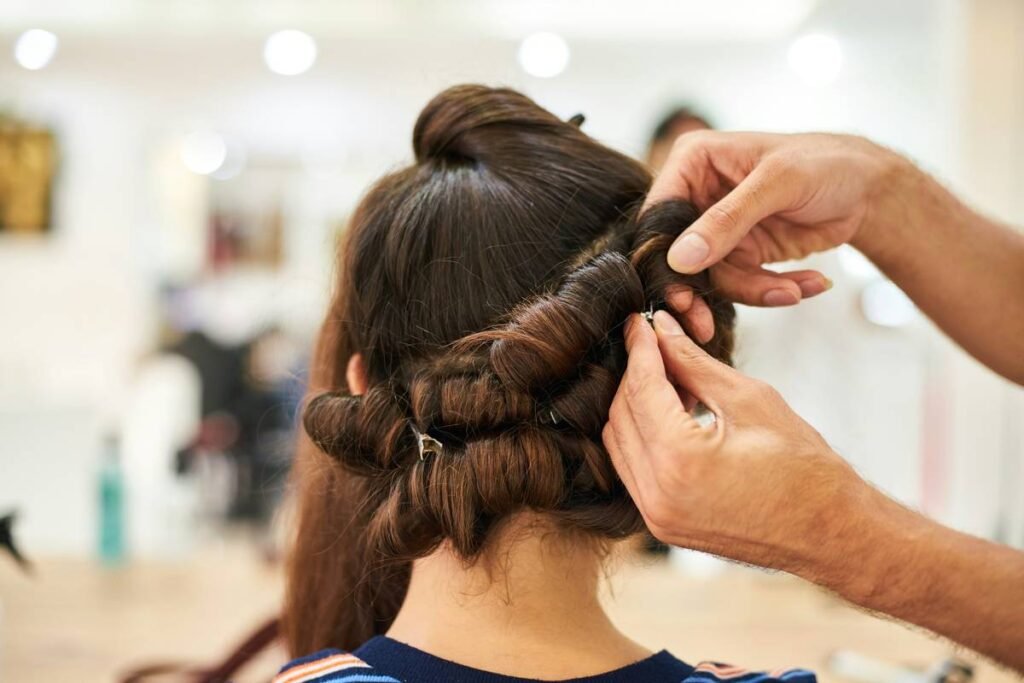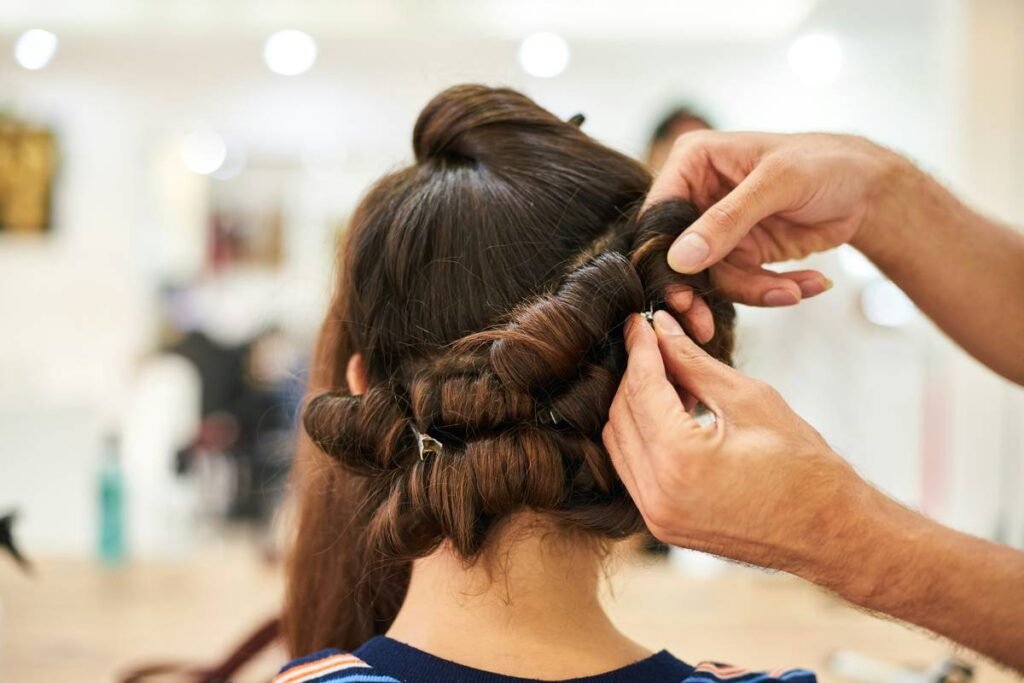
You’ve pinned, twisted, and tucked your hair into the perfect updo. Ten minutes later? Pins slide out like they’re on ice. The frustration is real—and it’s not your fault. Most stylists blame weak grips or cheap accessories. But here’s the truth: without grip at the root level, even titanium pins fail. The real solution? A strategic spritz of texturizing spray.
The Core Problem: Why Hair Pins Lose Their Hold
Slick, freshly washed hair looks clean—but it’s a disaster for pin retention. Natural oils and product buildup create a slippery surface. And if you’ve ever tried securing fine or straight strands with bobby pins alone, you know the sinking feeling as your chignon collapses mid-event.
Traditional hairsprays seal everything in place—but they also glue strands together, making repositioning impossible. Worse, they leave residue that dulls shine over time. Hair pins need texture, not rigidity. They rely on friction—not shellac.
How to Use Texturizing Spray to Lock Hair Pins in Place
Step 1: Prep With Purpose
Never apply texturizing spray on soaking-wet hair. Wait until it’s 80% dry—or better yet, use it on second-day hair. Why? Because slightly dirty hair has natural grit. The spray amplifies that—not replaces it.
Step 2: Target the Pin Zones
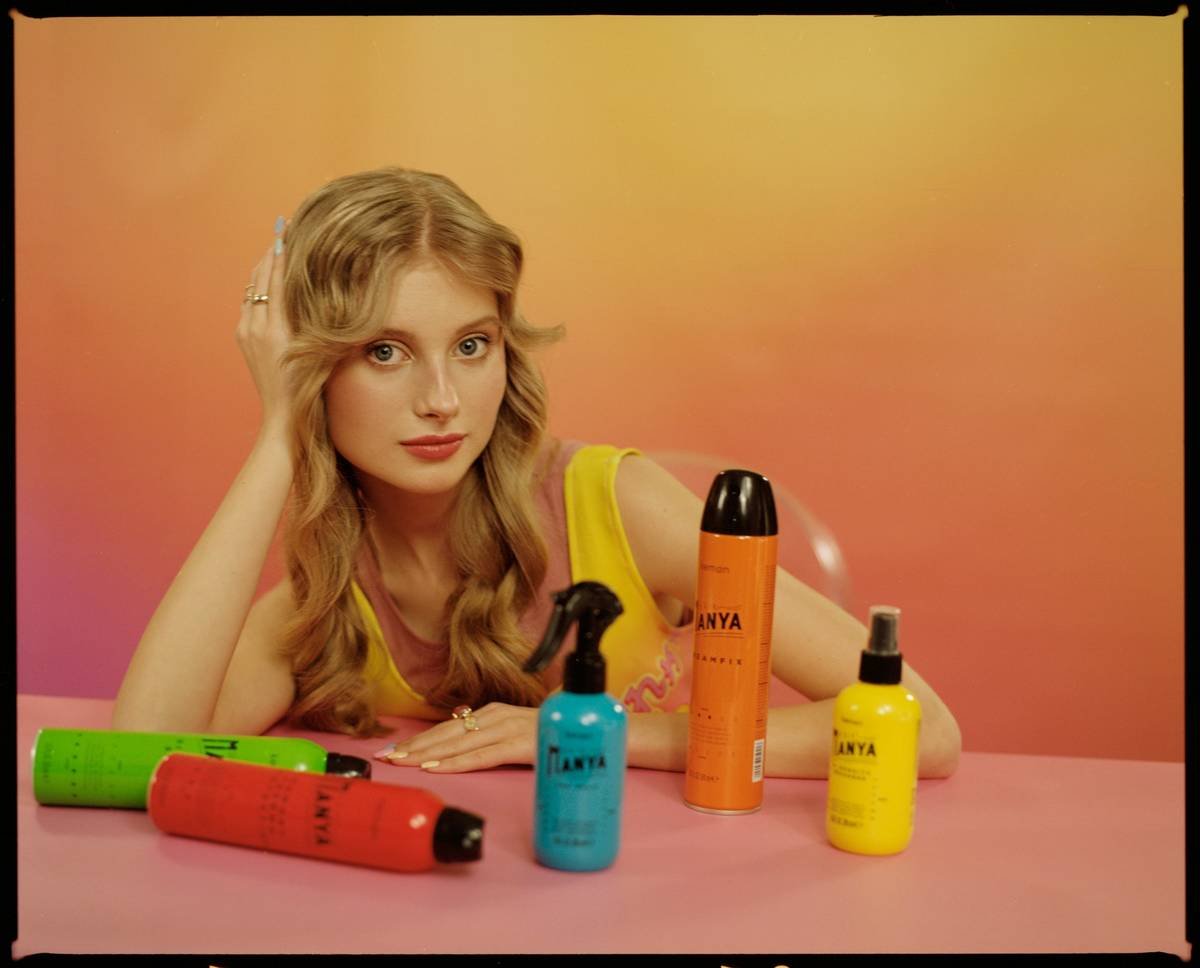
Don’t mist your whole head. Focus only on sections where pins will anchor: nape, crown, and side part lines. Lift small sections and spray underneath. Let it dry 10 seconds—just enough to activate the polymers.
Step 3: Pin With Precision
Use criss-cross pinning: insert one pin, then a second at a 45-degree angle locking over it. The texture from the spray gives each pin something to “bite” into. No more sliding. No more gaps.
| Method | Grip Duration | Reusability | Shine Impact |
|---|---|---|---|
| Hairspray + pins | 2–4 hours | Low (sticky residue) | Dulls over time |
| Pins alone (clean hair) | <1 hour | High | None |
| Texturizing spray + pins | 6–12+ hours | High (no buildup) | Matte but healthy |
Step 4: Refresh Without Rebuilding
Midday slipping? Flip your part, lift the loose section, and hit it with one quick puff. Resecure the pin. Done. No water, no heat, no redo.
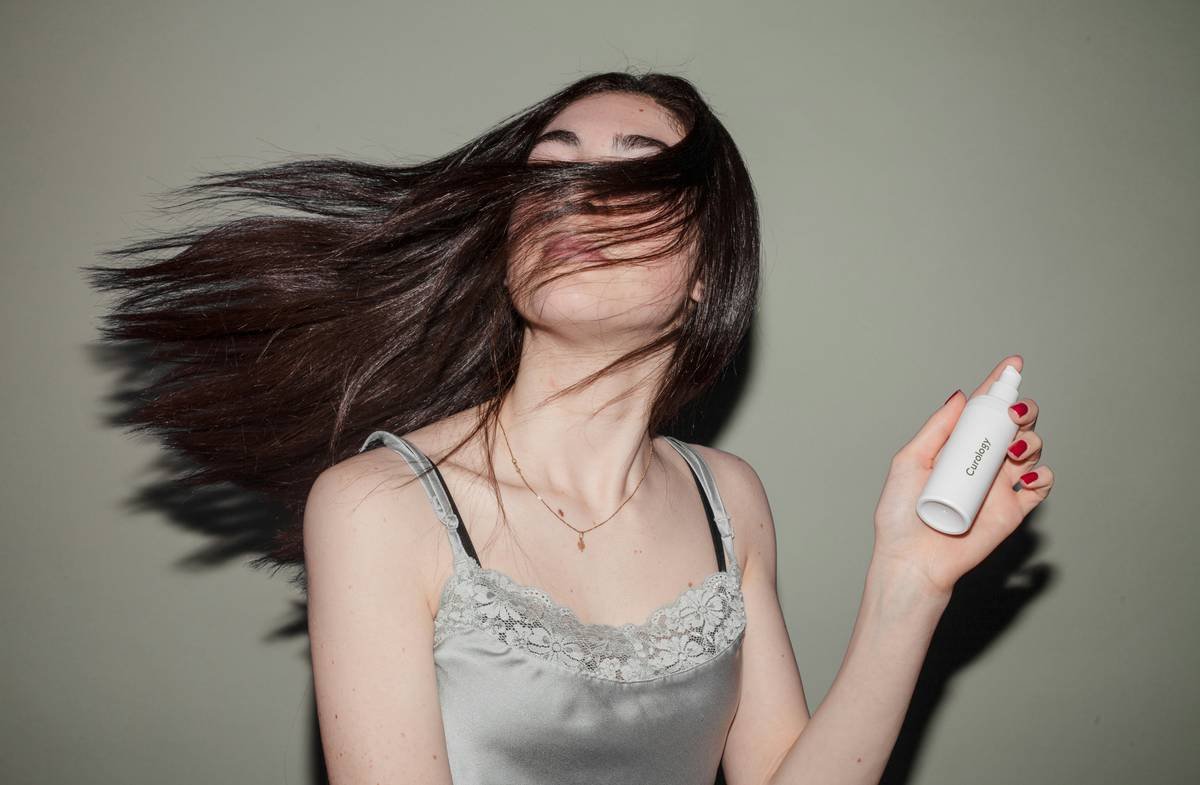
The Industry Secret: Salon Stylists Don’t Rely on Stronger Pins—They Create Better Surfaces
Here’s what luxury salons won’t tell you: the best bobby pins cost $2. The magic isn’t in the metal—it’s in the micro-roughness you create before insertion. Top session stylists I’ve worked with keep a mini texturizing spray in their kit not for volume—but for structural integrity. Think of it like sandpaper before painting: smooth surfaces don’t hold. Textured ones do. And when wind, humidity, or dance-floor spins hit? Your style stays anchored because the foundation was engineered—not just assembled.
Frequently Asked Questions
Can texturizing spray damage hair?
No—if used correctly. Avoid alcohol-heavy formulas. Modern texturizers use rice starch or sea salt derivatives that are gentle and wash out cleanly.
Is texturizing spray the same as dry shampoo?
Not quite. Dry shampoo absorbs oil; texturizing spray adds grip. Some hybrids exist, but for pin retention, you need intentional tack—not just oil control.
How much texturizing spray should I use for updos?
2–4 spritzes per pin zone. Overdoing it causes stiffness and white flakes. Less is more—especially near the hairline.