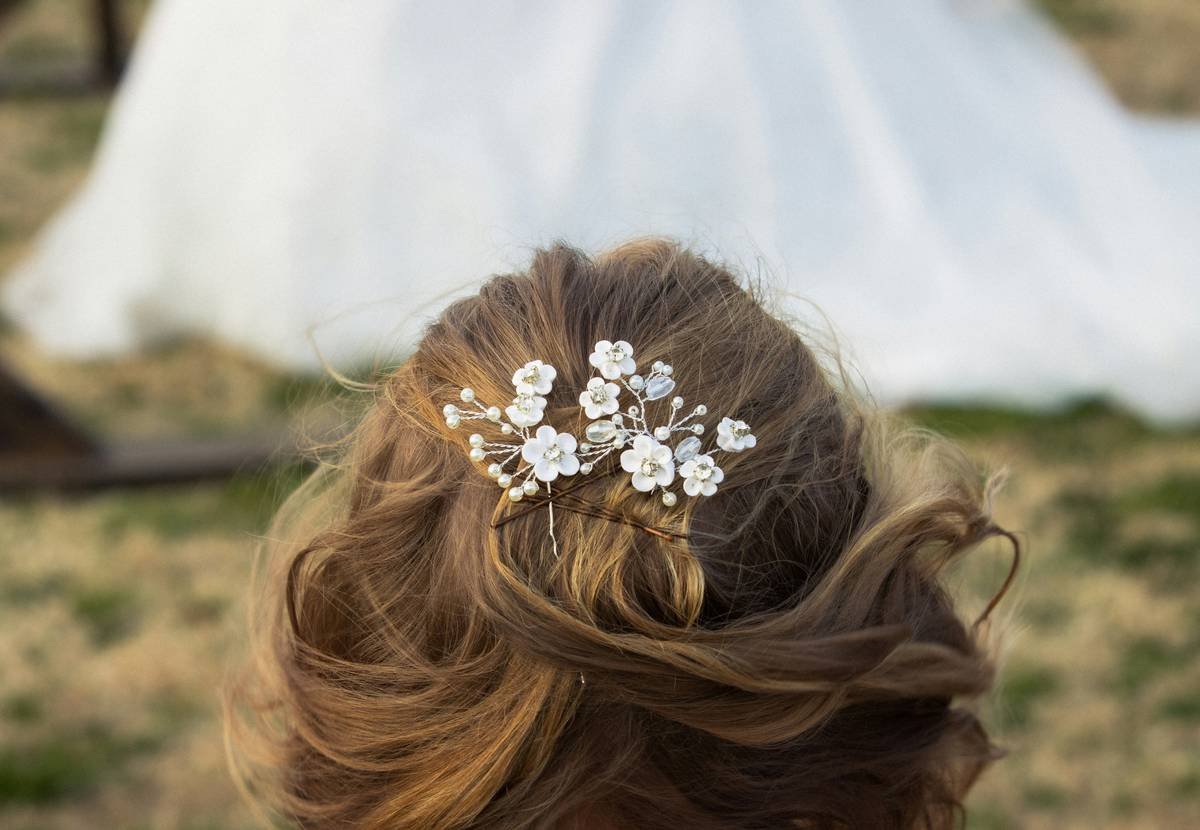
Your veil shifts. Your updo droops by hour two. Those gorgeous bridal hair pins you spent hours choosing? Gone by the first dance. It’s not your stylist’s fault—and it’s definitely not your hair’s fault. The problem is deeper: most brides buy decorative pins for looks alone, ignoring the engineering that keeps them locked in place all day. Here’s how to choose—and use—pins that actually hold.
The Core Problem: Beauty Over Functionality
Bridal boutiques sell dreams, not durability. You’re handed dainty silver vines or pearl-encrusted florals that photograph beautifully—but have zero grip on thick, fine, or layered hair. And most stylists won’t tell you this: even expensive pins fail if their tines (the prongs underneath) are too short, too smooth, or spaced incorrectly.
Think about it. A standard bobby pin grips because its wavy texture and 35mm length catch multiple hair layers. Many decorative bridal hair pins? Smooth, 20mm tines with zero bite. They’re jewelry pretending to be tools.
How to Choose & Place Bridal Hair Pins That Last All Day
The secret isn’t just buying better pins—it’s strategic placement based on hair type and style architecture.
Hair Type Dictates Pin Design
Fine hair needs micro-grip tines with cross-hatching. Thick or curly hair demands longer, wider-set prongs. Coily textures? Look for U-shaped pins with silicone tips—they flex without snapping strands.
The 3-Zone Anchoring Method
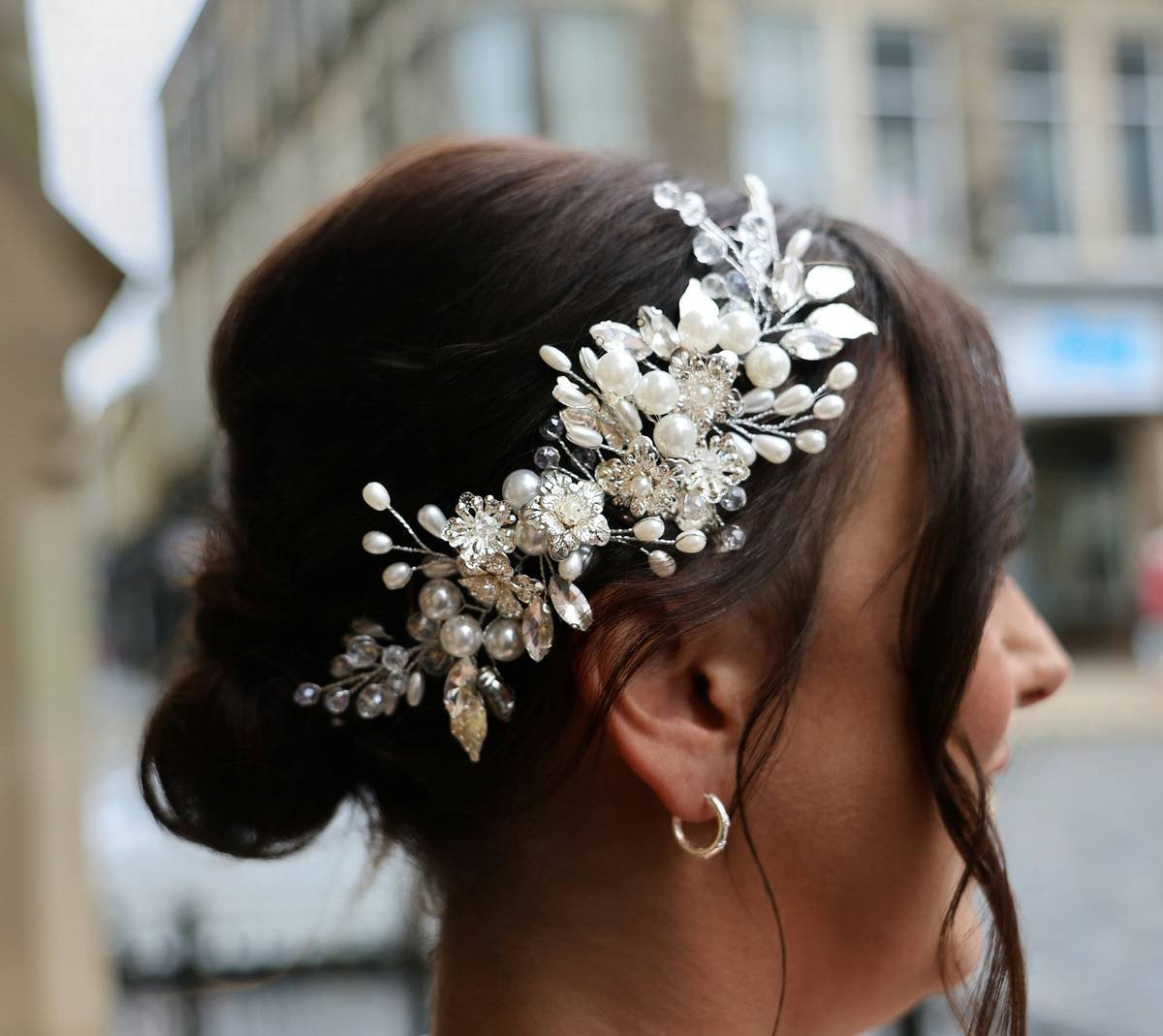
Every updo has three stress points: the crown (where weight pulls down), the nape (where movement happens), and the temple (where wind or veils tug). Place one heavy-duty pin at each zone—angled downward at 45 degrees—not parallel to the scalp. This leverages gravity instead of fighting it.
Cost vs. Performance: What Works Now
| Pin Type | Avg. Price Range | Hold Duration (Fine Hair) | Hold Duration (Thick Hair) | Best For |
|---|---|---|---|---|
| Flat Decorative Pins (Standard) | $8–$25 | 1–2 hours | 30–60 mins | Photo ops only |
| Textured Tine Bridal Hair Pins | $22–$45 | 6+ hours | 4+ hours | Ceremony through reception |
| Dual-Grip Hybrid Pins (Hidden Bobby + Decor Top) | $35–$70 | 10+ hours | 8+ hours | All-day weddings, outdoor venues |
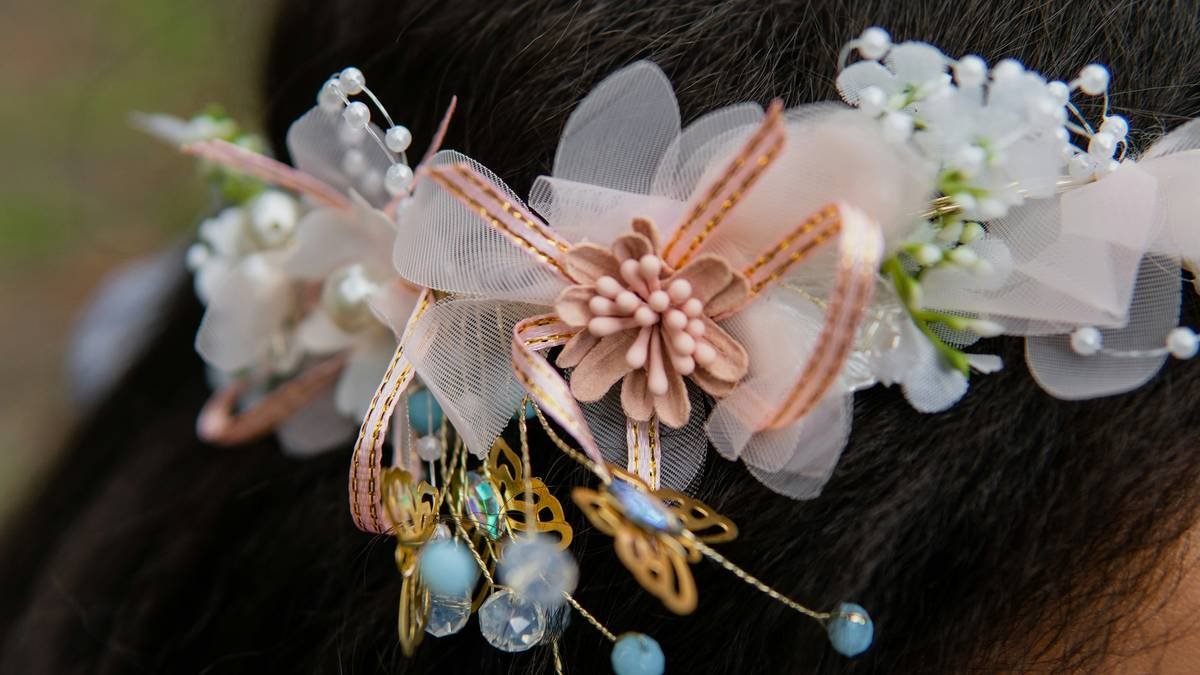
The Industry Secret: Pros Double Up—But Never Show It
Here’s what top bridal stylists do behind the scenes: they layer. A functional bobby pin goes in first—angled, crisscrossed, locking the section. Then, the decorative bridal hair pins sit flush on top, purely for aesthetics. Guests see elegance; the bride gets engineering. But salons rarely offer this unless asked—it adds time, and most don’t stock dual-purpose pins. Bring your own hybrid set. Or better yet, prep your stylist in advance: “I need invisible support under every visible piece.” They’ll appreciate the clarity.
FAQ
Can I wear bridal hair pins with short hair?
Yes—if your hair is at least 3 inches long. Use mini U-pins with textured grips near the crown. Avoid large statement pieces; they’ll weigh down fine strands.
How many bridal hair pins do I need?
For a secure half-up style: 4–6. Full updo: 8–12. Always bring extras—wind, humidity, and enthusiastic hugs test even the best setups.
Do rhinestone bridal hair pins slip more?
Not necessarily. Slip depends on tine design, not gemstones. But avoid pins where stones cover >70% of the base—less surface area means less friction against hair.