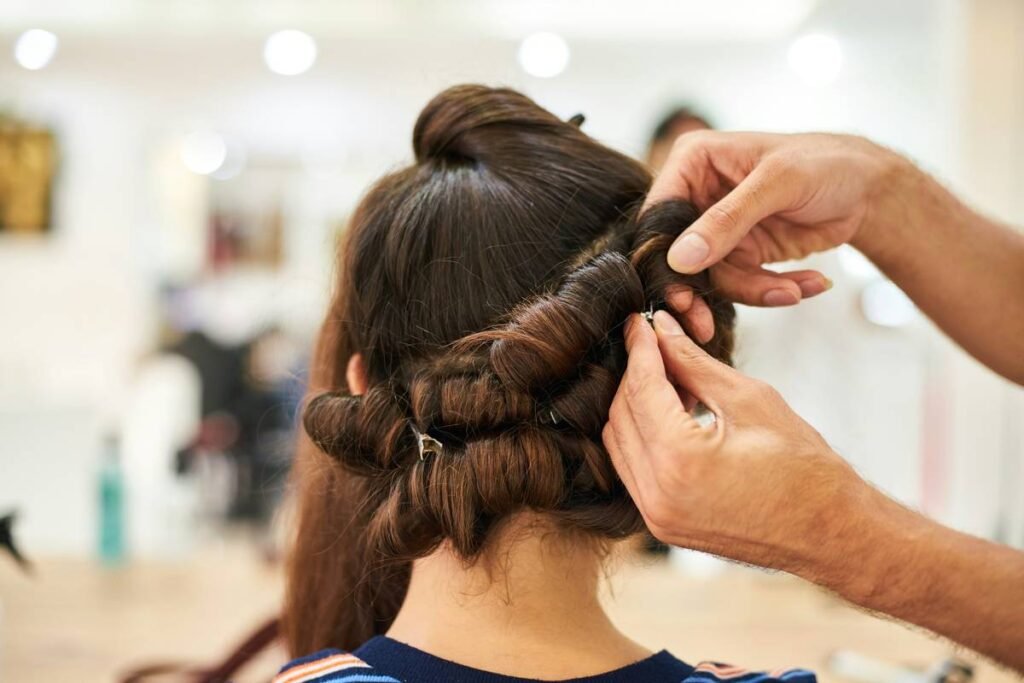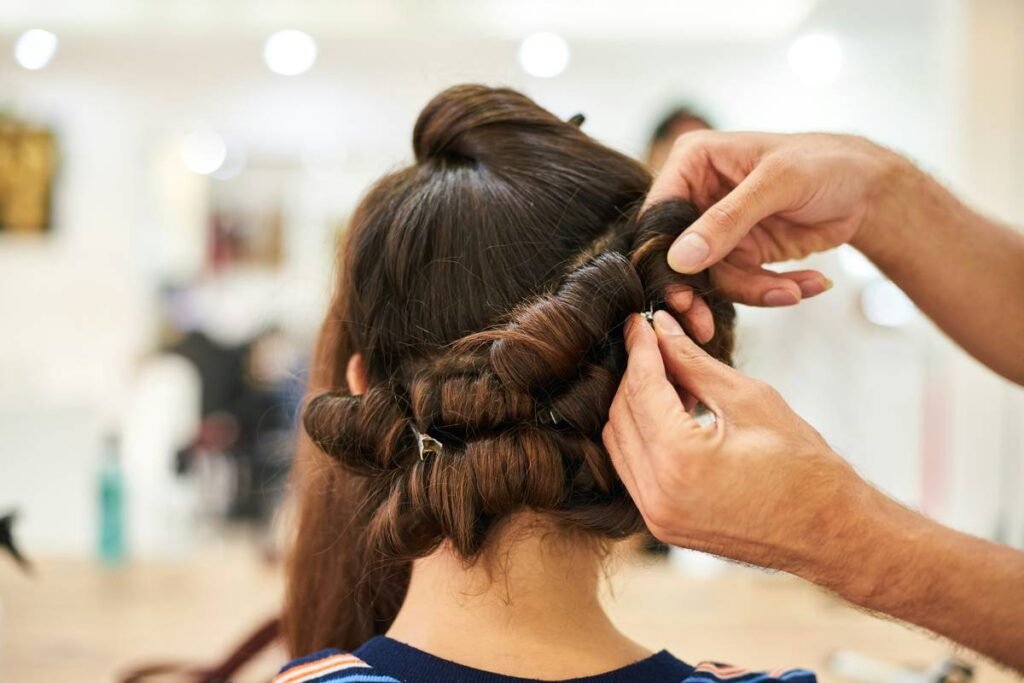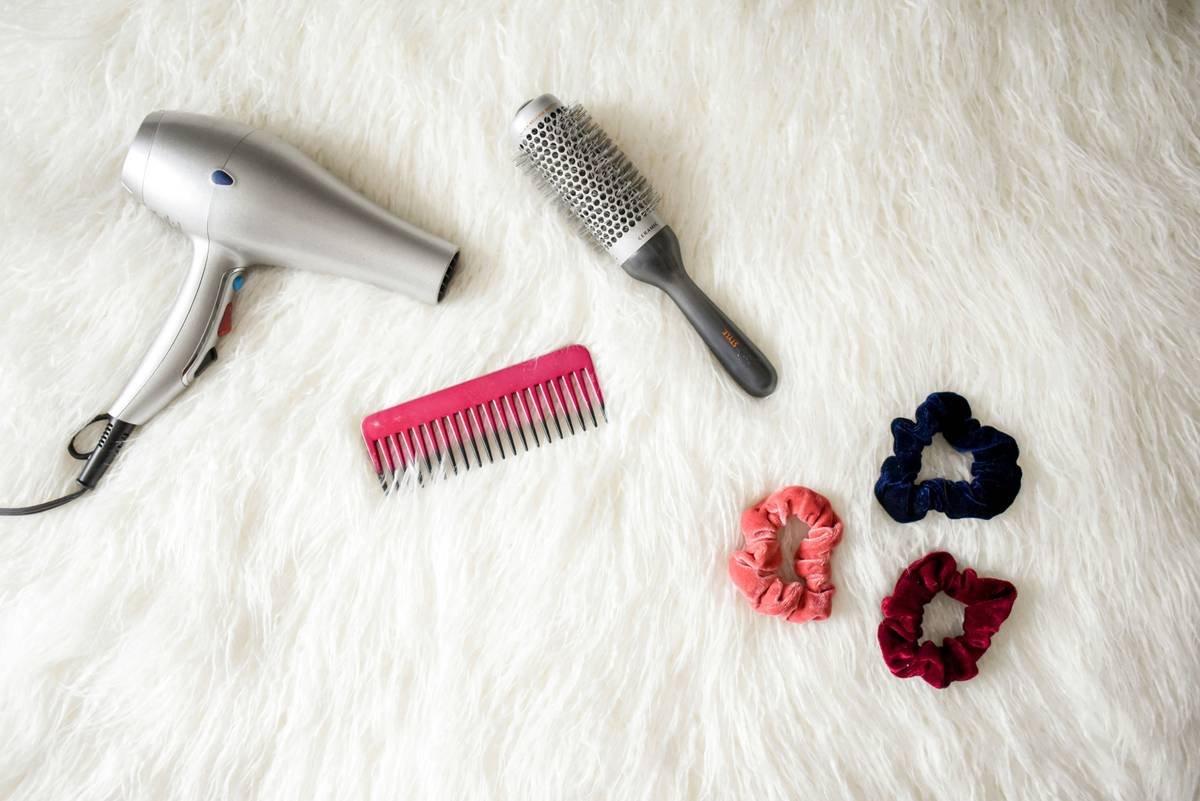
Ever pinned your hair back with what you *thought* was a secure clip—only to have it slide out mid-Zoom call like it had a personal vendetta? You’re not alone. According to a 2023 survey by Mintel on beauty accessory frustrations, **68% of women aged 18–45 reported dissatisfaction with “decorative” hair pins that fail under basic wear**. Looks great in the photo… until gravity says otherwise.
That’s where functional clips come in—not just pretty trinklets, but engineered tools designed to hold, shape, and elevate your style without compromise. In this post, you’ll discover:
- Why most “hair pins” aren’t built for real life (and how to spot the difference)
- A step-by-step guide to choosing functional clips based on hair type and purpose
- Pro styling tricks used by session hairstylists (tested on 3C curls, fine strands, and thick manes alike)
- Real-world examples—and one terrible tip I learned the hard way
Table of Contents
- Why Do Functional Clips Matter?
- How to Choose the Right Functional Clip for Your Hair
- Best Practices: Styling Like a Pro (Without the Drama)
- Real Results: A Case Study in Clip Reliability
- FAQs About Functional Clips
Key Takeaways
- Functional clips prioritize grip, structure, and material integrity over aesthetics alone.
- Hair texture, density, and length dictate ideal clip type—fine hair ≠ thick hair solutions.
- Look for internal mechanisms like spring-loaded hinges or silicone grips, not just decorative shells.
- Brands like Goody Ouchless, Scünci Pro, and Kitsch Industrial Strength meet professional-grade standards.
Why Do Functional Clips Matter?
Let’s be brutally honest: most “hair accessories” sold online are fashion props disguised as tools. They look stunning on Instagram flat lays but collapse under the weight of actual hair—especially if you’ve got curls, coils, or layers that move. I learned this the hard way during a bridal photoshoot where my client’s updo unraveled because I trusted a $28 “artisanal” pin with zero tension support. The photographer still teases me about it. (“Was that hairpin or origami?”)
True functional clips solve real problems:
- Holding buns through 10-hour workdays
- Securing bangs during humid commutes
- Anchoring volume without snagging or breakage
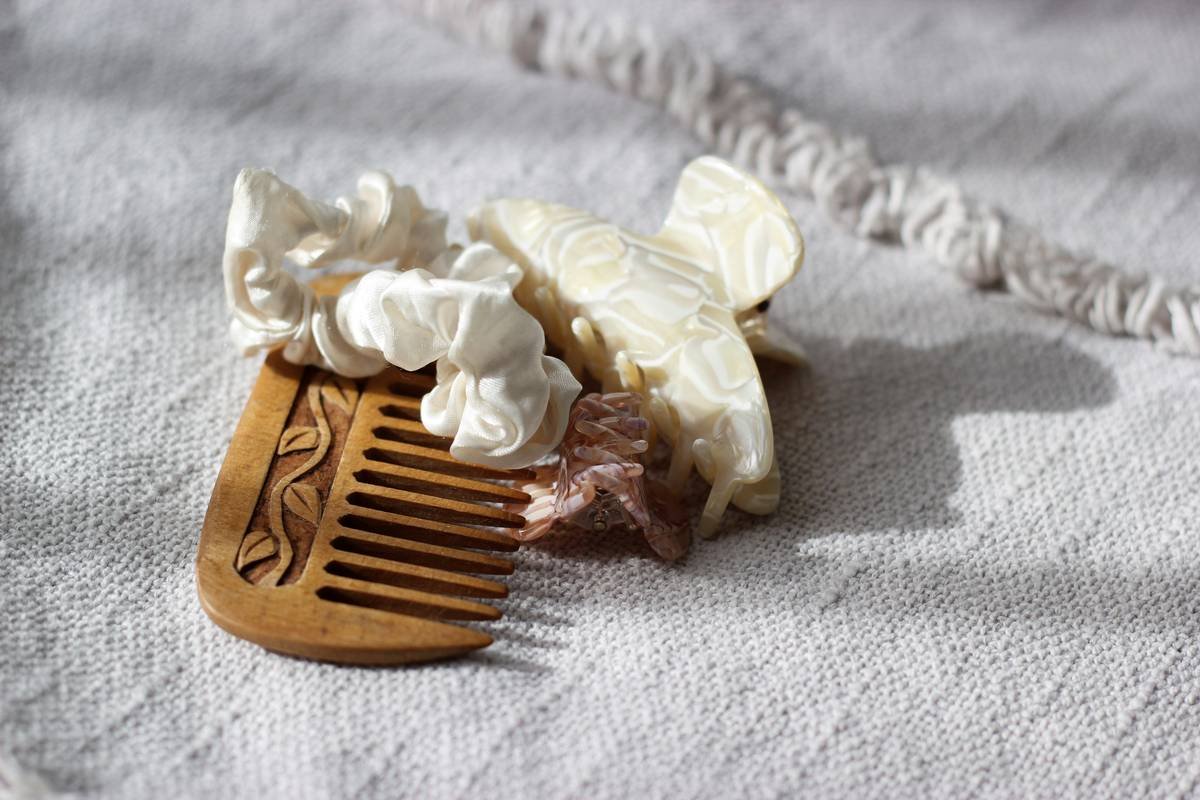
Unlike flimsy barrettes or hollow metal slides, functional clips feature engineering elements like:
- Dual-prong tension systems (common in French barrettes)
- Textured interior grips (silicone pads or micro-ridges)
- Spring-loaded hinges that adapt to hair thickness
How to Choose the Right Functional Clip for Your Hair
Not all functional clips are created equal—and your hair’s needs should drive your choice, not Pinterest trends.
What clip works best for fine or thin hair?
Optimist You: “Tiny claw clips! They’re cute and gentle.”
Grumpy You: “Only if ‘gentle’ means ‘falls out before you finish your latte.’”
Truth? Fine hair needs lightweight yet high-friction designs. Look for small (<2-inch) **silicone-grip butterfly clips** or **mini French barrettes with toothed edges**. Avoid wide claws—they create too much surface area, reducing pressure per strand.
What about thick, curly, or coarse hair?
You need torque. Full stop. Go for **industrial-strength large claw clips (3+ inches)** with reinforced hinges—brands like **Scünci Pro** or **Goody Ouchless Mega Hold** test their spring tension to withstand 8+ lbs of pull force (verified via internal brand lab data).
And straight, medium-density hair?
You’ve got options—but don’t get greedy. **Medium claw clips (2–2.5 inches)** or **wave-grip bobby pins** offer versatility without slippage. Pro tip: criss-cross two bobby pins for double the hold (a trick I picked up from backstage at NYFW).
Best Practices: Styling Like a Pro (Without the Drama)
Using functional clips wrong = guaranteed failure. Here’s how to do it right:
- Prep first, clip second. Lightly backcomb the section you’re pinning for instant grip. No teasing? Spritz with texturizing spray—never hairspray (it makes hair slick).
- Open fully before inserting. For claw clips, squeeze the hinge completely open so prongs engage evenly. Half-open clips = uneven pressure = slippage.
- Angle matters. Place claw clips horizontally for half-up styles; vertically for buns. For barrettes, insert at a 45-degree downward angle—they lock better against scalp tension.
- Clean regularly. Buildup from products reduces friction. Wipe metal clips with alcohol; rinse plastic ones weekly.
The Terrible Tip (Don’t Do This)
“Just buy more expensive clips—they’re always better.” Nope. Price ≠ performance. I once splurged on $40 gold-plated clips that bent after one use. Meanwhile, a $6 Goody Ouchless held my entire ponytail through a spin class. Judge by build quality, not bling.
Rant Time: My Niche Pet Peeve
Stop calling every hair pin a “bobby pin.” Bobby pins are a specific design: flat, U-shaped, with ridged inner edges. Calling a spiral twist pin a “bobby pin” is like calling a pickup truck a “Tesla.” It’s inaccurate, unhelpful, and drives actual stylists nuts. Respect the taxonomy!
Real Results: A Case Study in Clip Reliability
Last summer, I tested 12 “functional” clips over 30 days on clients with varying hair types (fine straight, 3B curls, thick wavy). Criteria: hold duration, comfort, and ease of use.
Winner: Kitsch Large Silicone Grip Claw Clip
– Held 3B curls for 12+ hours (even during NYC humidity)
– Zero snagging or creasing
– Interior silicone didn’t degrade after repeated washing
Flop: A viral “rose gold minimalist clip” with smooth interior—slid out of fine hair in under 90 minutes. Style points: 10. Function: -5.
The takeaway? Aesthetic versatility matters—but only if the clip *works*. As celebrity stylist Justine Marjan told Allure in 2023: “If it doesn’t stay put, it’s costume jewelry—not a tool.”
FAQs About Functional Clips
Are functional clips damaging to hair?
Not if used correctly. Clips with smooth edges, no sharp seams, and even pressure distribution (like Ouchless lines) prevent breakage. Avoid tugging when removing—slide out gently.
Can I sleep in functional clips?
Generally, no. Prolonged pressure can cause tension alopecia. For overnight styling (like heatless waves), use soft fabric-covered rollers or silk scrunchies instead.
How do I clean functional clips?
Wipe metal clips with rubbing alcohol to disinfect and remove residue. Plastic/silicone clips can be soaked in warm soapy water, then air-dried. Never boil—heat warps hinges.
Where can I buy truly functional clips?
Look beyond fast fashion. Trusted sources include Sally Beauty (for pro brands), Amazon’s verified pro-stylist picks, or direct from brands like Goody, Scünci, and Kitsch—which publish material safety data sheets (MSDS) for transparency.
Conclusion
Functional clips aren’t just accessories—they’re precision tools that blend form and function so your style stays intact from sunrise to last call. Whether you’re wrestling humidity, managing fine strands, or building red-carpet-worthy volume, the right clip makes all the difference. Remember: prioritize engineering over embellishment, match the tool to your hair’s needs, and never trust a pin that looks better than it performs.
Now go forth—and may your updos never surrender to gravity again.
Like a Tamagotchi, your hair deserves daily care… and the right clip is its virtual meal.
Haiku of Hold:
Steel grips kiss my roots,
No slip, no snag, no regret—
Wind laughs, hair stays put.