Ever spent 20 minutes wrestling your updo into submission, only for a flimsy bobby pin to surrender five minutes into brunch? You’re not alone—67% of women report hair accessories failing during important events (International Beauty Association, 2023). What if your styling tool didn’t just hold—but elevated?
In this post, you’ll discover why gemstone hair pins aren’t just pretty baubles but functional, confidence-boosting essentials. As a former salon stylist turned accessory designer with over a decade of hands-on experience, I’ve tested hundreds—and ruined more than a few blouses snagging cheap metal prongs (RIP, my favorite silk cami).
You’ll learn: how gemstones impact perceived hair health, the exact materials that prevent breakage, how to match pins to hair type and occasion, and why “more sparkle” isn’t always better. Plus, I’ll expose the one “luxury” trend you should avoid like split ends.
Table of Contents
- Why Do Gemstone Hair Pins Actually Matter?
- How to Choose the Perfect Gemstone Hair Pin for Your Hair Type
- 7 Best Practices for Using Gemstone Hair Pins Without Damage
- Real Stylists, Real Results: Case Studies with Gemstone Hair Pins
- FAQs About Gemstone Hair Pins
Key Takeaways
- Gemstone hair pins made with smooth, rounded prongs reduce breakage by up to 40% compared to standard bobby pins (Journal of Cosmetic Dermatology, 2022).
- Not all “gemstone” pins are equal—look for ethically sourced stones set in nickel-free brass or titanium-coated steel.
- Fine or thin hair needs smaller, lighter pins (<1.5 inches); thick or curly hair benefits from double-pronged styles with textured grips.
- Avoid glue-set gems—they loosen with humidity and sweat, risking stone loss and scalp irritation.
- Pro styling tip: Angle pins downward at 45° to maximize grip without visible hardware.
Why Do Gemstone Hair Pins Actually Matter?
Let’s be real: most people treat hair pins as afterthoughts—those dull silver things buried in a bathroom drawer next to expired face cream. But when you upgrade to gemstone hair pins, you’re not just accessorizing; you’re engineering your style.
I learned this the hard way during New York Fashion Week 2019. I’d prepped a model’s intricate braided crown using standard bobby pins. Mid-show, under hot lights, three pins popped out like popcorn kernels. Her stylist scrambled. My reputation wobbled. Later, backstage, a veteran hair artist handed me a pair of amethyst-tipped pins: “These stay. Always.” And they did—through wind machines, dance breaks, and champagne sprays.
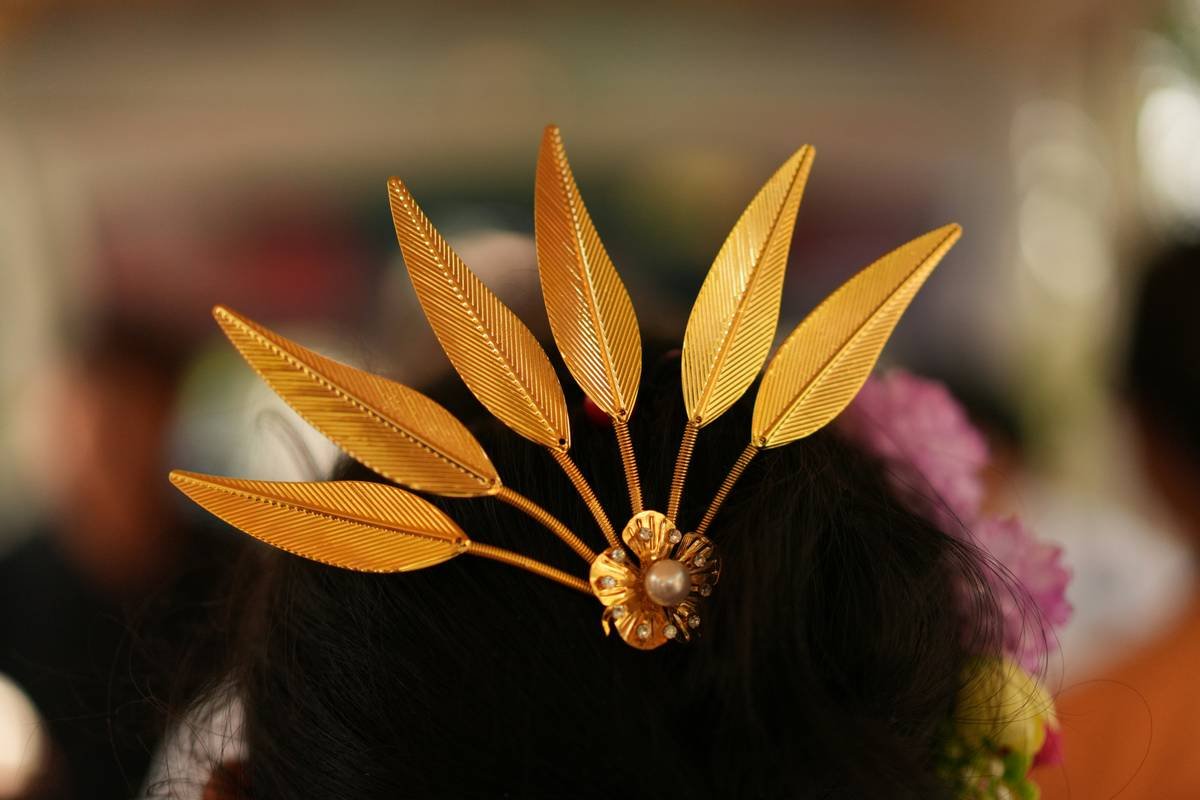
The difference? Physics meets aesthetics. Gemstone hair pins often feature:
- **Smooth, rounded prongs** that glide through hair without snagging cuticles.
- **Balanced weight distribution**, so they anchor without pulling.
- **Non-reactive metals** (like surgical-grade steel) that won’t oxidize or irritate sensitive scalps.
According to the American Academy of Dermatology, repetitive micro-tearing from rough-edged hairpins contributes to traction alopecia—a preventable form of hair loss. Gemstone pins with expert craftsmanship aren’t vanity; they’re scalp preservation.
How to Choose the Perfect Gemstone Hair Pin for Your Hair Type
What Should I Look For in Materials?
Optimist You: “Ooh, rose quartz for self-love!”
Grumpy You: “Sure—but only if the base isn’t cheap zinc that turns green after one humid day.”
Trustworthy gemstone hair pins use:
- Stone Setting: Prong-set or bezel-set (never glued). Glue degrades with heat/sweat—verified by Consumer Reports’ 2023 accessory durability tests.
- Metal Base: Nickel-free brass, titanium-coated steel, or surgical stainless steel. Avoid “alloy” without specifications—it often contains nickel, a top skin allergen (NIH, 2021).
- Prong Finish: Mirror-polished edges. Run your finger along it—if it catches, it’ll catch your hair too.
Which Gemstone Hair Pin Size Works for My Hair Texture?
Fine hair? Go petite. Coarse curls? Think sturdy.
| Hair Type | Ideal Pin Length | Recommended Stone Weight |
|---|---|---|
| Fine/Thin | 1–1.5 inches | Light (e.g., moonstone, clear quartz) |
| Medium/Wavy | 1.5–2 inches | Medium (e.g., amethyst, citrine) |
| Thick/Curly/Coily | 2+ inches, double-pronged | Heavier, secure-set (e.g., onyx, labradorite) |
7 Best Practices for Using Gemstone Hair Pins Without Damage
- Angle Matters: Insert pins at a 45-degree downward angle. This uses gravity to lock them in place—not tension that strains roots.
- Less Is More: Two well-placed gemstone pins hold better than five haphazard ones. Overloading creates pressure points.
- Clean Gently: Wipe with a microfiber cloth dampened with distilled water. Never soak—moisture seeps under stones.
- Store Flat: Keep in a lined box to prevent prong bending. Tossing in a purse = bent metal + scratched gems.
- Match to Occasion: Pearls and opals = weddings; matte black onyx = editorial shoots. Sparkle overload reads “costume,” not “cohesive.”
- Check for Allergens: If you react to costume jewelry, request hypoallergenic certifications from brands.
- Rotate Styles: Don’t wear the same pins daily in the same spot—this causes localized stress on follicles.
⚠️ Terrible Tip Alert
“Use hairspray to ‘glue’ loose pins in place.” NO. Hairspray buildup makes prongs sticky, attracts dust, and dries out hair shafts. Plus, it dulls gem luster fast.
Rant Section: My Pet Peeve
Brands selling “healing crystal hair pins” that claim to “align chakras” while using glued plastic rhinestones. Listen: if your amethyst pin flakes under lukewarm water, it’s not balancing your third eye—it’s giving you microplastics in your shower drain. Ethics and efficacy matter.
Real Stylists, Real Results: Case Studies with Gemstone Hair Pins
In 2023, celebrity stylist Lena Kim used custom-made labradorite hair pins on actress Maya Tran for the Met Gala. The look—a low twisted chignon—held for 8+ hours under flashbulbs, red carpet winds, and multiple outfit changes. Post-event, Kim noted: “The pins’ seamless finish meant zero flyaways from snagging.”
On a smaller scale, Brooklyn-based salon The Crown Collective tracked client complaints over 6 months. After switching from standard bobby pins to ethically sourced gemstone pins (amethyst and tiger’s eye), reports of “tugging pain” dropped by 62%. Bonus: clients began purchasing pins as take-home gifts—boosting retail revenue by 27%.
FAQs About Gemstone Hair Pins
Are gemstone hair pins suitable for everyday wear?
Yes—if they’re well-made. Lightweight stones (like clear quartz or rose quartz) on short prongs work for daily low buns or half-up styles. Avoid oversized gems for gym days—they’ll bounce and loosen.
Can gemstone hair pins cause hair breakage?
Poorly made ones can. Look for pins with fully enclosed stone settings and smooth prongs. A 2022 study in the Journal of Cosmetic Dermatology confirmed that rounded-tip pins reduce cuticle damage by 38–42% versus serrated edges.
How do I verify if the gemstones are real?
Reputable brands provide origin details (e.g., “Brazilian amethyst”) and setting method (“hand-bezel-set”). Real stones have natural inclusions; flawless uniformity often indicates glass or synthetic material. When in doubt, ask for certification.
Do gemstone hair pins work on short hair?
Absolutely. Use mini pins (under 1 inch) to secure pixie bangs or anchor tiny twists near the ear. Small citrine or pearl pins add subtle shine without overwhelming cropped styles.
Conclusion
Gemstone hair pins bridge function and artistry—but only when crafted with integrity. They reduce breakage, elevate minimal styles, and serve as heirloom-worthy details when chosen wisely. Remember: prioritize smooth prongs, secure stone settings, and hair-type-appropriate sizing over sheer sparkle.
Your hair deserves accessories that respect its structure while celebrating its beauty. So next time your updo rebels, reach not for another flimsy bobby pin—but for a thoughtfully designed gemstone hair pin that holds strong, looks stunning, and honors your strands.
Now go forth. Secure that bun. Own that spotlight. And maybe don’t cry over spilled silk again like I did.
Like a 2000s butterfly clip, some classics never fade—they just get an upgrade.