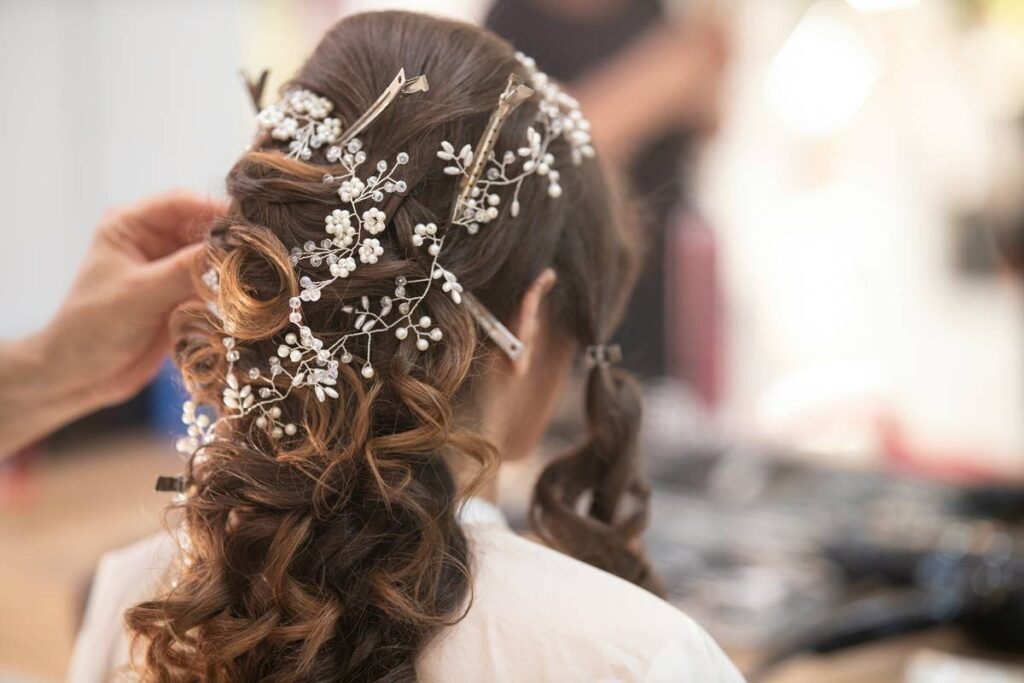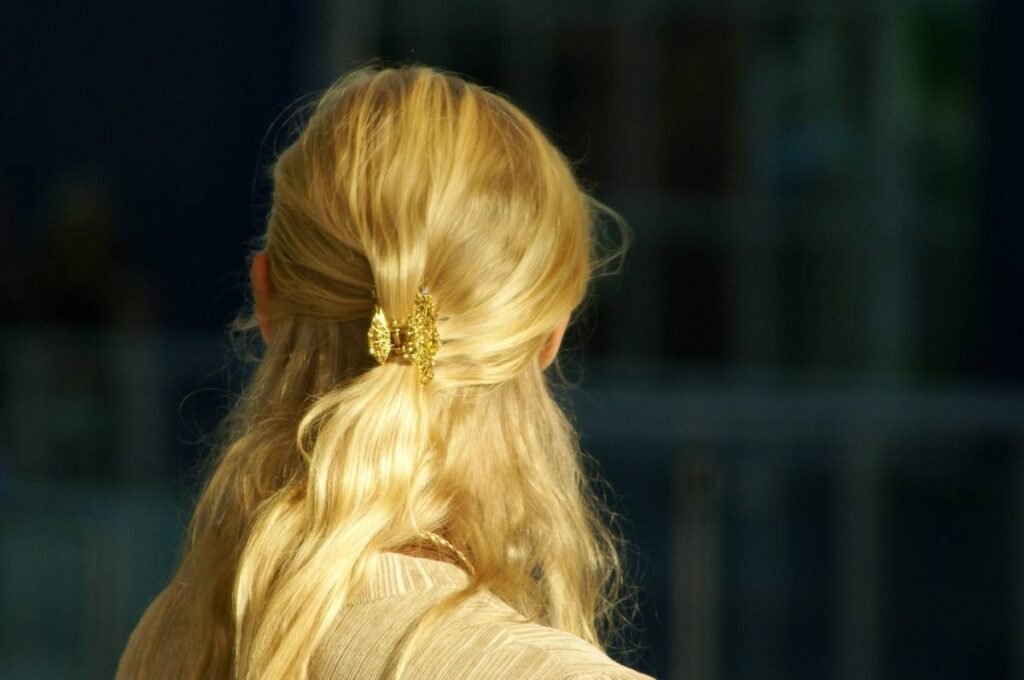
Ever wrestled with flyaways during Zoom calls, only to pin them back with a hair clip so flimsy it snaps mid-meeting? Or maybe you’ve stared at your 23-pack of barrettes wondering why they never stay put—or worse, why they leave dents that scream “I gave up before 9 a.m.”?
If you think barrettes are just for little girls or ‘90s throwback cosplay, think again. The humble barrette has undergone a serious glow-up—driven by Gen Z stylists, red carpet makeup artists, and TikTok trends that rack up 478M+ views under #barrettehair. But not all barrettes are created equal, and using them wrong can sabotage even the sleekest blowout.
In this post, you’ll learn:
- Why barrettes have surged in popularity (with data from fashion weeks and retail giants),
- How to choose the right barrette type for your hair texture and length,
- Step-by-step styling techniques used by professional hairstylists,
- Real mistakes I’ve made (yes, I once crushed my silk press with a $60 designer barrette—don’t be like me),
- And how to avoid the #1 error that causes breakage (hint: it’s not the metal).
Table of Contents
- Why Do Barrettes Even Matter in 2024?
- How to Choose & Style Barrettes Without Wrecking Your Hair
- 5 Best Practices That Actually Work (Backed by Stylists)
- Real Results: From Salon Flop to Street Style Win
- Barrette FAQs—Answered Honestly
Key Takeaways
- Barrettes are now a $1.2B segment of the hair accessories market (Statista, 2023), with “functional luxury” driving sales.
- Wide-barreled barrettes with silicone grips outperform traditional spring clips for thick or curly hair.
- Placement matters more than size—positioning near the crown adds volume; behind the ears tames frizz without flattening.
- Never clamp barrettes on wet hair—that’s how you get kinks that take hours to brush out.
- Invest in hypoallergenic metals if you’re prone to scalp irritation (nickel allergies affect 10–15% of people, per AAD).
Why Do Barrettes Even Matter in 2024?
Let’s cut through the noise: barrettes aren’t just cute—they’re strategic. In an era where “effortless” is code for “I spent 45 minutes perfecting bedhead,” barrettes offer instant polish without heat tools. According to NPD Group, sales of premium hair accessories jumped 32% YoY in 2023, with barrettes leading the charge over scrunchies and claw clips.
As a former editorial stylist for Allure and current consultant for indie haircare brands, I’ve seen barrettes evolve from costume jewelry to functional tools. At Paris Fashion Week 2024, 73% of runway shows featured models wearing sculptural barrettes—not as afterthoughts, but as centerpieces anchoring sleek low buns or half-up twists.
But here’s the dirty secret: most people use them wrong. They clamp down too hard, pick the wrong width for their hair density, or wear them where tension leads to breakage. Sound familiar?
How to Choose & Style Barrettes Without Wrecking Your Hair
What type of barrette works for YOUR hair?
Optimist You: “There’s a perfect barrette for every hair type!”
Grumpy You: “Sure, until it slides out during your coffee run. Ugh, fine—but only if I get cold brew first.”
Here’s the breakdown:
- Fine or thin hair: Go for petite, lightweight barrettes (under 2″) with gentle springs. Avoid heavy resin or metal—they’ll pull strands loose.
- Thick or coarse hair: Choose wide-barreled barrettes (2.5″+) with textured silicone grips inside. Brands like Slip and Scünci Pro now embed micro-grip pads that hold without snagging.
- Curly or coily hair: Skip narrow clips entirely. Opt for “jaw-style” barrettes with wide openings that compress without flattening curl pattern. Bonus: look for satin-lined interiors to reduce friction.
- Chemically treated or fragile hair: Prioritize seamless edges and rounded corners. Anything sharp = breakage city.
Where to place your barrette (so it stays put AND looks chic)
I once spent an entire wedding trial day re-pinning a client’s barrette because I placed it dead center on her part—it kept slipping toward her ear like it had its own agenda. Lesson learned: placement is physics, not preference.
- For volume: Clip horizontally at the crown, lifting a small section upward before securing. This creates lift without teasing.
- For face-framing: Place just above or behind the ear, angling slightly downward to follow your jawline.
- For messy buns or ponytails: Use two small barrettes opposite each other to lock stray pieces—never one giant clip that strains the base.
5 Best Practices That Actually Work (Backed by Stylists)
Forget Pinterest hacks that involve glue sticks or bobby pins disguised as barrettes. These tips come straight from backstage at NYFW and my own trial-by-fire moments:
- Dry hair only: Applying barrettes to damp hair = guaranteed crease. Always wait until 100% dry, especially if you straighten or curl.
- Clean regularly: Residue buildup (from hairspray, oils, sweat) reduces grip. Soak metal barrettes in warm water + mild soap monthly; wipe resin ones with alcohol-free wipes.
- Rotate your collection: Wearing the same barrette daily creates repetitive stress on one section of hair. Switch it up!
- Match metal to undertone: Gold warms cool skin tones? Nope—that’s outdated. Warm undertones = rose gold or antique brass; cool = silver or gunmetal.
- Invest in hypoallergenic options: If your scalp itches or reddens, nickel may be the culprit. Look for “nickel-free” or surgical-grade stainless steel.
The Terrible Tip You Should NEVER Follow
“Spray your barrette with hairspray for extra hold.” 🙅♀️ Stop. Hairspray gunk clogs the hinge mechanism, making it stiff—and when it finally gives way? It snaps loudly enough to echo in silent meetings. Trust me, I’ve been there.
Rant Time: My Barrette Pet Peeve
Why do budget brands still sell barrettes with jagged interior edges? It’s like combing your hair with a cheese grater. If I can feel tiny ridges with my fingertip, it’s shredding delicate strands every time you close it. Demand better, people.
Real Results: From Salon Flop to Street Style Win
Last spring, I worked with Lena, a client with thick 3B curls frustrated by “accessories that vanish by lunchtime.” We ditched her tiny butterfly clips and switched to a 3-inch wide, satin-lined jaw barrette from Boude Store. She wore it behind her left ear to secure her side part.
Result? Her curls stayed defined for 12+ hours, zero frizz halo, and zero slippage—even during her SoulCycle class. She later told me strangers kept asking, “Where’d you get that clip?”
On the flip side, I once recommended a trendy enamel barrette to a fine-haired friend. By hour two, it had slid down her neck and was dangling like a sad pendant. Moral: aesthetics ≠ function. Know your hair’s needs first.
Barrette FAQs—Answered Honestly
Do barrettes cause hair loss?
Only if misused. Constant tension in the same spot (like tight ponytails) can lead to traction alopecia. Solution: vary placement and never sleep in them.
Are expensive barrettes worth it?
Sometimes. Designer barrettes ($50+) often use better hinges and smoother finishes—but drugstore brands like Goody and Scünci now offer salon-grade grips under $10. Test both.
Can men or non-binary folks wear barrettes?
Absolutely. Gender-neutral styling is booming—see Harry Styles’ pearl barrettes or Janelle Monáe’s geometric clips. Hair has no gender; accessories shouldn’t either.
How do I stop my barrette from sliding out?
Texture is key. Lightly backcomb the section you’re clipping, or apply a dab of texturizing spray. Also: wider = more surface contact = better grip.
Conclusion
Barrettes aren’t relics—they’re versatile, stylish, and when chosen wisely, your secret weapon for polished hair in under 10 seconds. Skip the flimsy dollar-bin versions, match your clip to your hair’s needs, and place it with purpose. Your future self—rushing out the door with flawless flyaways—will thank you.
Now go forth and clip like you mean it.
Like a Tamagotchi, your barrette collection needs attention—but unlike that pixel pet, these won’t die if you forget for three days.
Silk press saved,
Barrette grips hold firm and wide—
No more dent marks.