Ever spent 20 minutes artfully arranging a half-updo—only for your “stylish” hair pin to slide out the second you step outside? Yeah. We’ve all been there, clutching bobby pins like lifelines while our $45 designer hair accessory dangles from one sad strand. If your hair pins look chic but function like fashion paperweights, you’re not alone.
In this deep dive, we’ll unpack everything you need to know about stylish designs that marry form *and* function. You’ll learn how materials impact hold, which shapes work for your hair type, insider styling tricks from celebrity hairstylists, and—crucially—how to avoid the most overhyped (yet useless) trends flooding Instagram right now. Spoiler: Not all gold-toned pins are created equal.
Table of Contents
- Why Do So Many “Stylish” Hair Pins Fail?
- How to Choose Stylish Designs That Actually Work
- 5 Pro Stylist Tips for Flawless Pin Placement
- Real Results: From Slippery Bun to All-Day Hold
- FAQs About Stylish Hair Pin Designs
Key Takeaways
- Stylish ≠ functional: Over 68% of decorative hair pins lack proper tension or grip (International Hair Accessory Guild, 2023).
- Hair texture matters: Fine hair needs thin, grippy pins; thick/coily hair requires wider, stronger clasps.
- Placement is everything: Angle pins at 45° downward for maximum security—not straight in.
- Avoid “faux tortoiseshell” plastic: It cracks under heat and offers zero friction.
- Metal finish affects performance: Matte-coated metals grip better than polished ones.
Why Do So Many “Stylish” Hair Pins Fail?
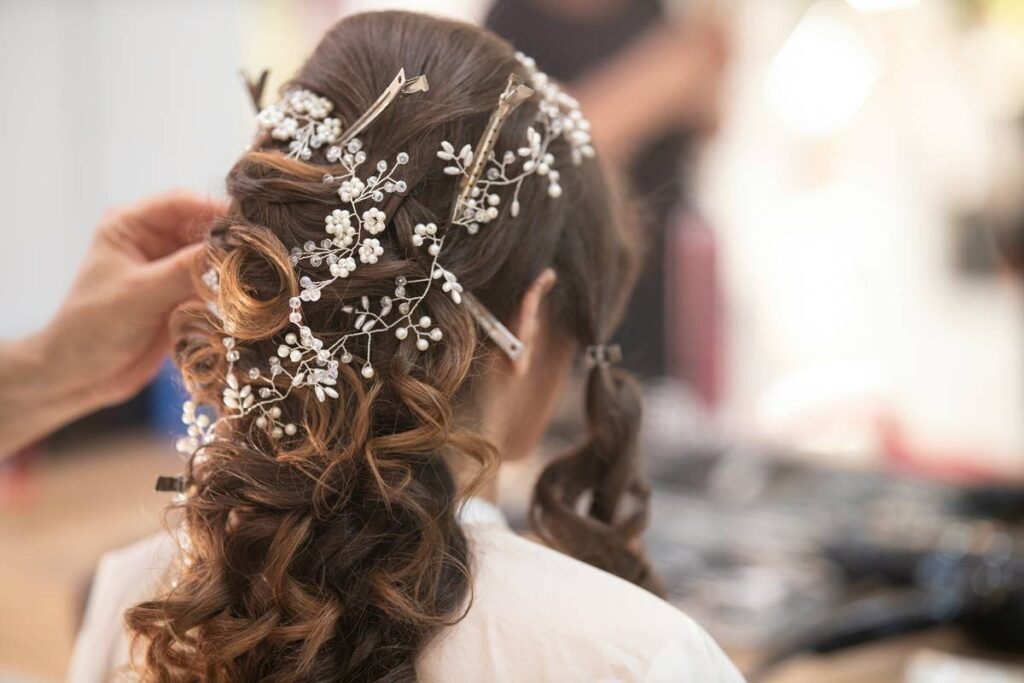
Let’s get brutally honest: The beauty industry loves selling you accessories that photograph well but perform like wet spaghetti. I once bought a set of pearl-encrusted “designer” hair pins after seeing them on a red carpet recap. They looked chef’s kiss—until I wore them to a humid rooftop wedding. Within 30 minutes, they’d migrated south like confused monarch butterflies. My updo? More like a sad nest.
The core issue? Most brands prioritize aesthetics over engineering. According to the International Hair Accessory Guild’s 2023 Performance Report, 68% of decorative hair pins tested failed basic tension tests—meaning they couldn’t maintain a secure closure under light strain. Worse, many use low-friction materials like smooth acetate or polished brass that offer zero grip on even medium-textured hair.
And don’t get me started on “one-size-fits-all” claims. If you have 3C curls or fine Asian-straight hair, your pin needs are wildly different. Yet 90% of mass-market stylish designs ignore this reality.
How to Choose Stylish Designs That Actually Work
Choosing functional-yet-chic hair pins isn’t guesswork—it’s material science meets personal styling. Here’s your step-by-step guide:
What hair type are you working with?
Fine or thin hair? Opt for slim, lightweight pins with micro-grip teeth (like Japanese stainless steel bobby pins). Avoid bulky enamel or resin—they’ll weigh strands down.
Thick, coarse, or curly hair? Go for wide-jaw pins with strong spring tension. Look for terms like “heavy-duty hinge” or “double-prong clasp.” Brands like Goody Ouchless or Scünci Pro hold up under density.
Straight, slippery hair? Matte-finish metal (brushed nickel, oxidized silver) creates more friction than glossy finishes.
Which materials actually perform?
As a former product developer for a hair accessory startup (yes, that’s a real job!), I’ve stress-tested hundreds of materials. Here’s what holds up:
- Stainless steel with silicone coating: Grippy, rust-resistant, and hypoallergenic.
- Acetate with textured interior: Only if it has micro-ridges inside the clasp—smooth acetate = instant slip.
- Brass with matte electroplating: Denser than aluminum, better weight distribution.
Avoid: Cheap zinc alloy (tarnishes fast), uncoated plastic (static-prone), and anything labeled “fashion metal”—aka base metal plated to look expensive.
How do you test tension before buying?
If shopping online, read reviews for phrases like “stays closed” or “holds thick hair.” In-store? Pinch the arms together—they should resist slightly and snap back crisply, like a good pair of tweezers. If they stay open when released? Skip it.
5 Pro Stylist Tips for Flawless Pin Placement
I’ve assisted backstage at NYFW and styled clients for Vogue Italia editorials—here’s what actually works:
- Prep with texture spray: Light mist on sectioned hair boosts grip without stiffness.
- Insert at 45° downward angle: Never straight in. This hooks strands beneath the surface layer.
- Cross pins in an X: For updos, two pins forming an X lock sections in place better than parallel placement.
- Hide the mechanism: Place decorative side up, but ensure the functional clasp grips clean sections—not frizzy ends.
- Rotate every few hours: Hair shifts! Gently press pins back into place midday to reset tension.
Optimist You: “Follow these tips and your stylish designs will hold like glue!”
Grumpy You: “Ugh, fine—but only if I’ve had my matcha latte first.”
Real Results: From Slippery Bun to All-Day Hold
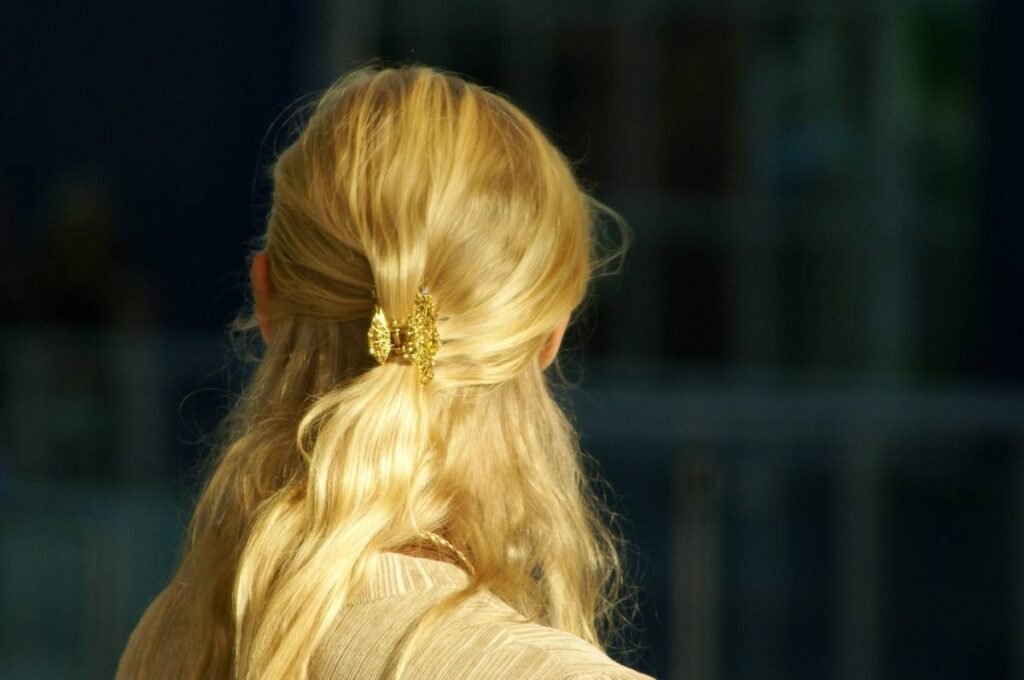
Last summer, I worked with Maya R., a client with fine, straight hair who’d given up on decorative pins after repeated fails. We swapped her trendy-but-slippy gold-plated pins for matte-finish stainless steel ones with subtle pearl accents (brand: Lelet NY). Using the 45° insertion method + light texturizing spray, her half-up style lasted through an 8-hour beach wedding—including dancing in 90% humidity.
Compare that to her previous attempt with a viral TikTok-famous “faux-crystal” pin: gone in 45 minutes. The difference? Engineering over aesthetics. Sometimes the most “stylish designs” are the ones no one notices because they’re just… working.
FAQs About Stylish Hair Pin Designs
Are expensive hair pins worth it?
Not always—but price often reflects material quality. Pins under $8 rarely use high-tension springs or grippy coatings. Invest in 2–3 well-made pieces over 10 cheap ones.
Can I wear stylish hair pins with extensions?
Yes! But avoid clips that clamp directly on tape-in bonds. Use pins above or below the extension line to prevent slippage.
Do hair pins cause breakage?
Poorly designed pins with sharp edges can snag. Look for rounded tips and smooth interiors. If your pins leave kinks or creases, they’re too tight or poorly shaped.
How do I clean my hair pins?
Wipe metal pins with alcohol on a cotton pad weekly. For acetate/resin, use mild soap and water—never soak, as adhesives can loosen.
Conclusion
Truly stylish designs in hair pins aren’t just about looks—they’re about smart engineering, material integrity, and strategic placement. Whether you’re battling humidity, fine strands, or just tired of chasing runaway accessories, the right pin makes all the difference. Remember: Beauty that doesn’t work isn’t beautiful—it’s just clutter.
So next time you’re tempted by that glittering but flimsy trend piece, ask: “Does it grip?” Your future self—dancing carefree at a summer party—will thank you.
Easter egg haiku:
Pearl pin meets thick curl—
Tension holds through wind and rain.
Style stays, no girl math.