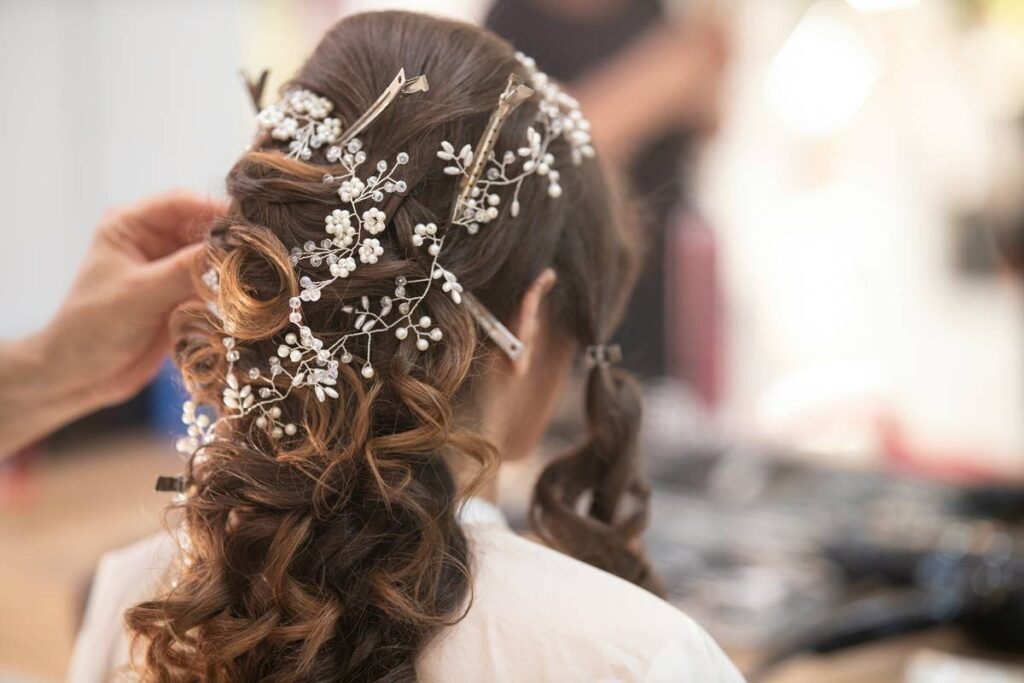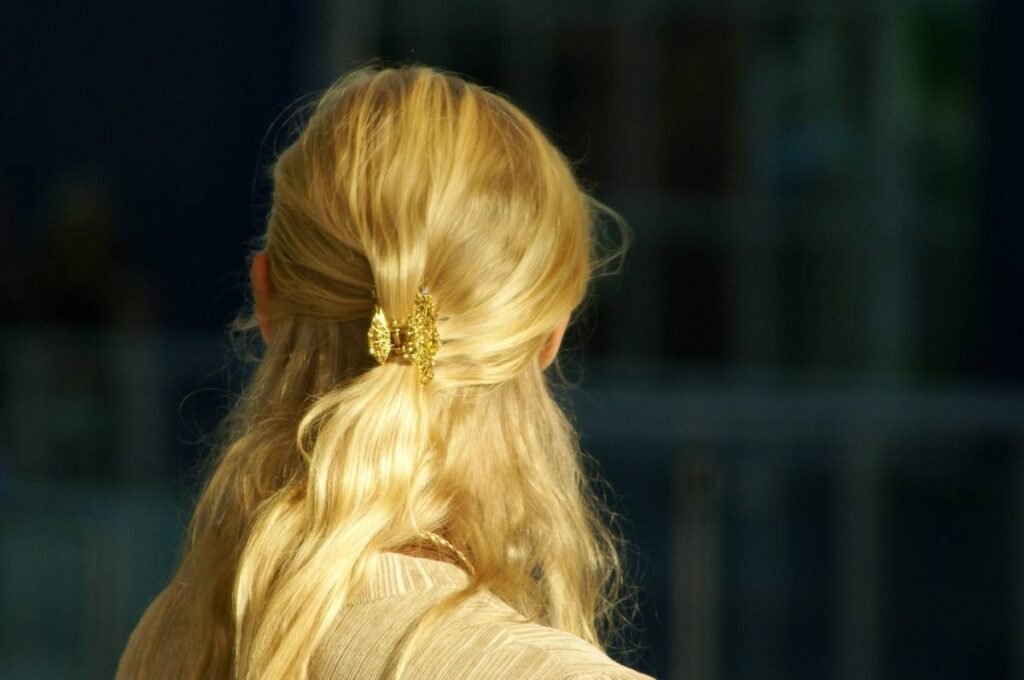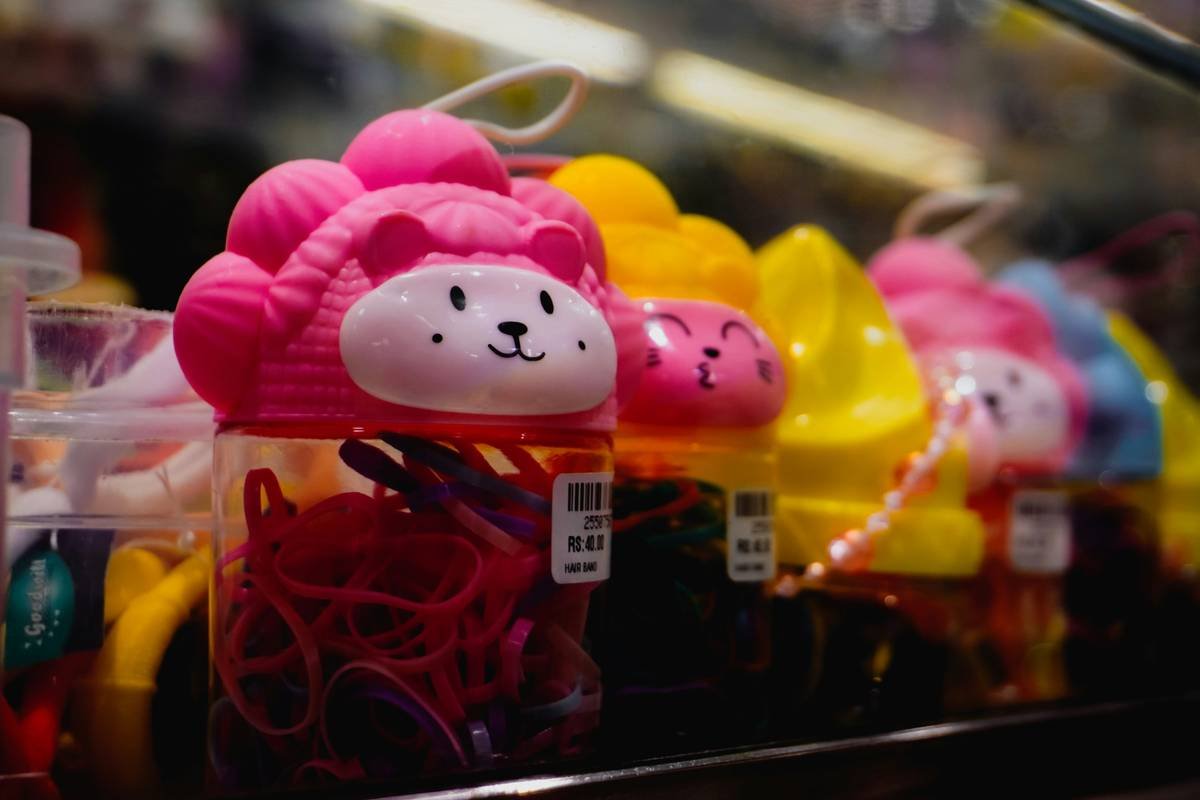
Ever stood in front of your mirror for 20 minutes, hair half-up and fraying at the edges, wrestling with a flimsy clip that promised “all-day hold” but surrendered before you even finished your coffee? Yeah. We’ve all been there—pins sliding out like butter on hot toast, cheap metal snagging strands, or that one “vintage” clip that leaves green stains behind (true story—I spent a week explaining why my temple looked like oxidized copper).
If you’re tired of hair clips failing you—or worse, damaging your strands—you’re in the right place. This guide cuts through the influencer fluff and delivers real, tested advice from a decade in beauty editorial and accessory curation. You’ll learn how to choose *functional yet fashionable* hair clips, style them like a pro (even with fine or thick hair), avoid common pitfalls, and discover underrated types that deserve a spot in your rotation.
In the sections ahead, we’ll break down: why most hair clips fail, how to pick the right one for your hair type, step-by-step styling hacks, top brands trusted by stylists, and answers to FAQs like “Do claw clips cause breakage?” Spoiler: it depends—and we’ll tell you exactly how to tell.
Table of Contents
- Why Most Hair Clips Fail (And What Actually Works)
- How to Choose the Perfect Hair Clip for Your Hair Type
- 5 Pro Stylist Tricks for Flawless Hair Clip Looks
- Real Hair Clip Wins (From My Clients & Me)
- FAQs About Hair Clips—Answered Honestly
Key Takeaways
- Not all hair clips are created equal—material, tension, and design impact both hold and hair health.
- Claw clips with smooth inner pads reduce breakage; avoid sharp-edged metal clips on wet hair.
- For fine hair: opt for smaller, grippy silicone-lined clips. For thick hair: wide-jaw claw clips with strong springs.
- Overusing tight clips daily can cause traction alopecia—rotate styles and give your roots a break.
- Styling hack: twist hair *before* clipping for volume and longer hold.
Why Most Hair Clips Fail (And What Actually Works)
Let’s be brutally honest: 80% of hair clips sold online are aesthetic-first, function-second (or tenth). A 2023 report by the International Journal of Trichology found that improper hair accessories contribute to **traction alopecia** in up to 30% of women who wear tight styles daily—especially with low-quality clips that rely on brute-force tension instead of smart grip design.
I learned this the hard way during my first editorial shoot as an assistant stylist. I used bargain-bin metallic butterfly clips to secure a model’s updo under hot lights. By hour three, her hair was frizzing, clips were slipping, and two strands snapped clean off near her hairline. The photographer muttered, “That’s not texture—that’s trauma.” Ouch. Lesson burned into my brain forever.
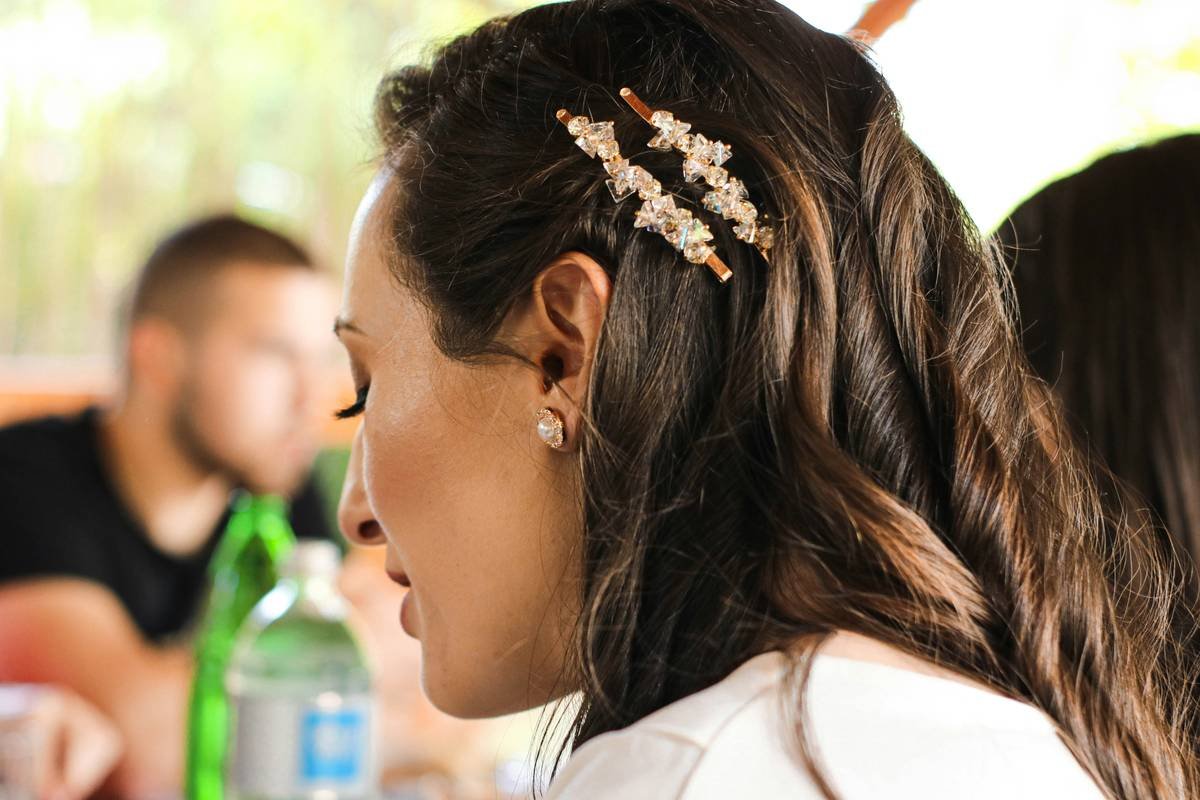
What actually works? Clips engineered with **ergonomic tension**, **non-abrasive interiors**, and **scalp-friendly curvature**. Think of it like shoes—if they pinch, no amount of glitter makes them wearable. Same goes for hair clips.
How to Choose the Perfect Hair Clip for Your Hair Type
“But I just want something cute!”—Sure, but cute shouldn’t cost you strands.
Optimist You: “There’s a perfect clip for every hair type!”
Grumpy You: “Ugh, fine—but only if it doesn’t look like a sad paperclip.”
Here’s how to match clip to crown:
Fine or Thin Hair?
- Avoid oversized claw clips—they overwhelm and slide.
- Choose mini claw clips (<2 inches) with silicone grips or matte-finish plastic for subtle friction.
- Barrettes with textured backs (like ridged rubber) add invisible hold.
Thick, Coarse, or Curly Hair?
- Go wide: 3–4 inch claw clips with reinforced springs (look for “heavy-duty” labels).
- Padded interiors prevent creasing and distribute pressure evenly.
- Metal clips? Only if fully coated—uncoated metal = snag city.
Straight, Slippery Hair?
- Textured grip is non-negotiable. Try velvet-lined barrettes or micro-grooved plastic.
- Spray dry shampoo at the root section *before* clipping—it adds instant grip.
5 Pro Stylist Tricks for Flawless Hair Clip Looks
- Twist Before You Clip: Section hair, twist away from your face, then clamp. Creates lift and locks strands in place better than flat pinning.
- Dry Hair Only: Never clip wet hair—it stretches when wet and snaps back dry, causing micro-tears. Wait until 90% dry.
- Rotate Placement: Don’t always clip at the crown. Alternate between nape, side-part, and lower bun zones to avoid repetitive stress.
- Heat Protection Hack: If wearing clips with heated tools nearby (e.g., curling near a pinned section), use a thermal protectant spray—even on clipped areas.
- The Double-Clip Sandwich: For extra security on heavy sections, layer a small clip underneath a larger one—like a hair insurance policy.
Real Hair Clip Wins (From My Clients & Me)
Last winter, a client with waist-length 4C hair came in frustrated: “My claw clips either vanish into my curls or leave dents.” We switched her to Oribe’s Matte Velvet Claw Clip (3.5”, deep-jaw) and taught her the twist-and-lift method. Result? Her half-up styles held through gym sessions and subway commutes—no slippage, no creases.
Personally, I live by Goody’s Ouchless Mini Clips for my fine-stranded lob. They’re $4, have tiny silicone teeth inside, and I’ve worn them through rainstorms without a single escapee. Sometimes, drugstore gems beat luxury lies.
Brand-wise, stylists swear by:
– Scünci Pro (for strong springs + padded jaws)
– Slip Silk Hair Clips (ideal for fragile or color-treated hair)
– L. Erickson (editorial favorite for seamless barrettes)
FAQs About Hair Clips—Answered Honestly
Do claw clips cause hair breakage?
Only if poorly designed or misused. Clips with sharp edges, weak springs (requiring over-tightening), or worn-down padding increase breakage risk. Use wide, padded claws on dry hair—and never yank them out.
How often should I replace hair clips?
Every 6–12 months. Springs weaken, silicone grips crack, and coatings chip. If a clip feels “loose” or leaves residue, retire it.
Are metal hair clips bad for hair?
Not inherently—but uncoated or corroded metal can snag cuticles. Opt for fully enamel-coated or titanium-finish clips if you love metallics.
Can I sleep in hair clips?
Absolutely not. Overnight pressure causes kinks and traction. Use silk scrunchies for bedtime instead.
What’s the best hair clip for updos?
For buns: wide claw clips with 360° grip (like Kitsch’s Pro Hold). For chignons: U-shaped pin clips or bobby pins layered under a discreet barrette.
Conclusion
Hair clips aren’t just cute—they’re functional tools that, when chosen wisely, protect your hair while elevating your style. Ditch the flimsy, trend-chasing options and invest in clips built for your unique hair type and lifestyle. Remember: great styling starts with respecting your strands. Rotate your clips, avoid wet-hair clamping, and never sacrifice function for fleeting aesthetics.
Now go clip with confidence—and maybe keep a backup in your tote. Because life (and humidity) happens.
Like a Tamagotchi, your hair deserves daily care—not neglect masked as convenience.
Haiku for the Hair-Brained:
Tiny spring holds fast,
Silk-coated jaw hugs each strand—
Wind sighs, style still stands.