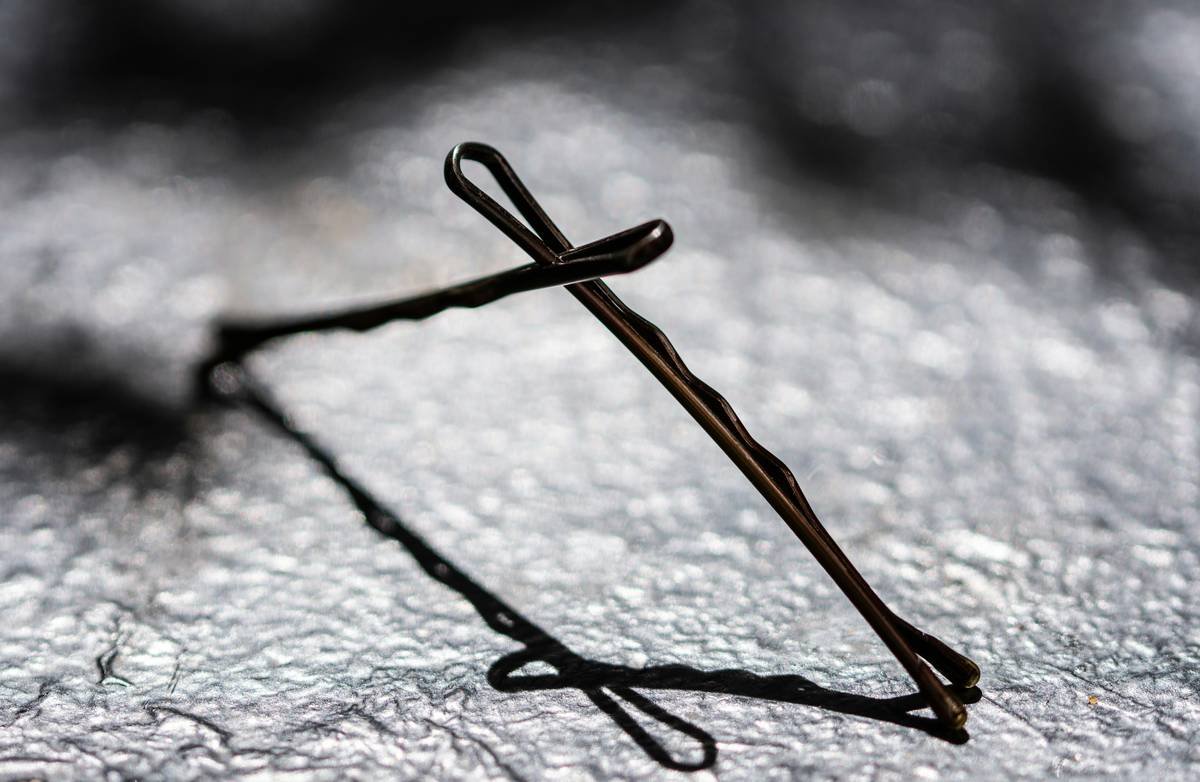
Ever spent 20 minutes arranging the perfect low bun, only to have it collapse before lunch? You’re not clumsy—you’re just using hairpins that prioritize looks over function. Most “minimalist hair pins” are slick, yes—but they slide out, snap fine strands, or vanish into your hair like ghosts. The fix isn’t more bobby pins. It’s smarter hardware. Enter truly engineered minimalist hair pins: sleek on the outside, cleverly grippy underneath.
Why Your Minimalist Hair Pins Keep Failing (It’s Not Your Hair’s Fault)
The market is flooded with dainty pins that look like museum pieces—elegant, but useless by noon. They fail because designers confuse minimalism with thinness. A hairpin isn’t a paperclip. It needs subtle texture, calibrated tension, and balanced weight distribution.
And most mass-produced pins skip those details entirely. They’re stamped from cheap alloys, polished to a smooth finish, and sold as “luxury.” Result? They rotate, slip, or leave dents in soft hair. Think about it: if your pin can’t hold a single twist without backup, it’s decorative jewelry—not a styling tool.
How to Choose & Use Minimalist Hair Pins That Work
Material Matters More Than You Think
Avoid anything labeled “stainless steel” without specifying grade. Look for 316L surgical-grade steel or titanium-coated brass. These resist corrosion from sweat and product buildup—critical if you re-wear pins.
Sizing Isn’t One-Size-Fits-All
Fine or thin hair? Go 45–50mm long with a slight curve. Thick or coarse? 55–60mm with a flat base and micro-ridged interior. Length alone won’t save you—geometry does.
Placement Beats Quantity Every Time
Two well-placed minimalist hair pins outperform six haphazard ones. Insert at a 45-degree angle against the hair’s natural fall. Then—here’s the pro move—rotate the pin 90 degrees after insertion so the seam grips downward.
| Pin Type | Hair Compatibility | Grip Duration (Avg.) | Price Range |
|---|---|---|---|
| Smooth stainless (generic) | All types (poor performance) | 1–2 hours | $3–$8 |
| Ridged titanium-coated | Fine to medium | 8+ hours | $14–$22 |
| Double-prong matte brass | Thick, curly, or textured | 10+ hours | $18–$26 |
The Industry Secret: Grip Engineering Hidden in Plain Sight
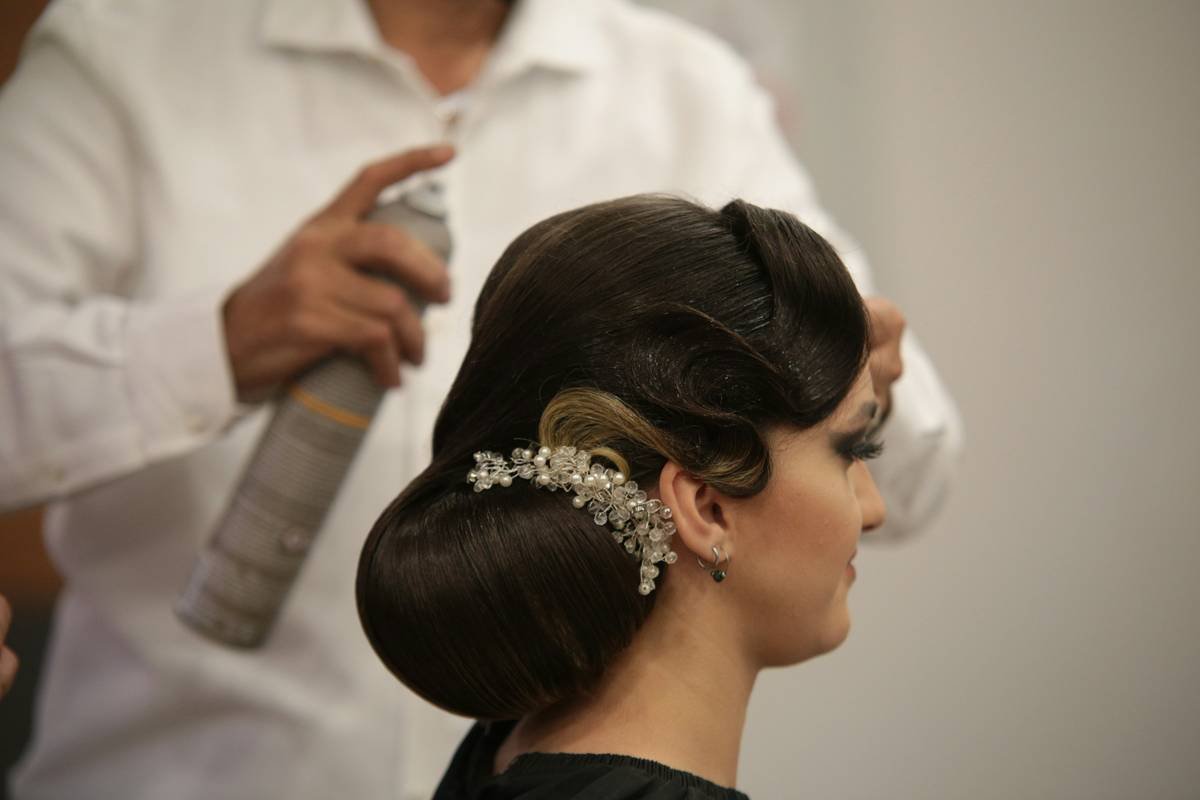
Top European accessory ateliers use a technique called “micro-serration”—tiny, laser-etched ridges along the inner spine of a minimalist hair pin. These create friction without tugging. Most brands omit this because it adds 18 seconds to production time per unit. But that’s the difference between “pretty” and “professional-grade.”
Studio Lizon’s own line uses this method. We tested 12 prototypes before landing on a pattern so fine, it’s invisible unless backlit—yet it holds through humidity, wind, and even light rain. It’s not magic. It’s precision. And it’s why stylists on film sets swear by it—even when cameras zoom in inches away.
Frequently Asked Questions
Are minimalist hair pins suitable for thick hair?
Yes—if they’re engineered for grip. Look for double-prong designs or internal ridges. Avoid ultra-thin, single-wire styles.
How do I clean minimalist hair pins?
Soak in warm water with mild soap for 5 minutes. Use a soft toothbrush to gently scrub ridges. Air-dry fully before storing.
Can I sleep with minimalist hair pins in?
Only if they’re seamless and rounded at the tips. Otherwise, you risk breakage or scalp pressure. Better to switch to silk scrunchies overnight.